Antimicrobial film
An additional layer for frequently touched surfaces.
Door handles, counters and switches are touched throughout the day. Antimicrobial film provides suitable surfaces with an additional finish within your everyday hygiene approach.
What is antimicrobial film?
Thin, self-adhesive and focused on the surface.
Antimicrobial film is a self-adhesive finish with active ingredients incorporated into the material, such as silver ions. These can reduce the growth and presence of certain micro-organisms on the film surface. The properties belong to the selected film and are assessed under defined test conditions.
The film is fitted to existing suitable surfaces. Transparent finishes keep the substrate visible; a matt or textured finish changes its appearance. It can also be combined with a compatible decorative print.
How does the additional finish work?
Active ingredients within the film
In silver-ion-based versions, the active ingredient inhibits the growth of certain bacteria on the surface. This is different from immediately disinfecting a surface.
Properties for each specification
We review product information, tested organisms and contact time. A laboratory result does not guarantee an infection-free space.
Alongside your existing protocol
Cleaning, disinfection where needed and hand hygiene remain part of the daily routine. The film supplements these measures.
Frequently touched surfaces
Start with the places everyone touches.

Screens and control panels
Consider self-service kiosks, information points and shared controls. We check compatibility with screen coatings, image quality and touch operation.
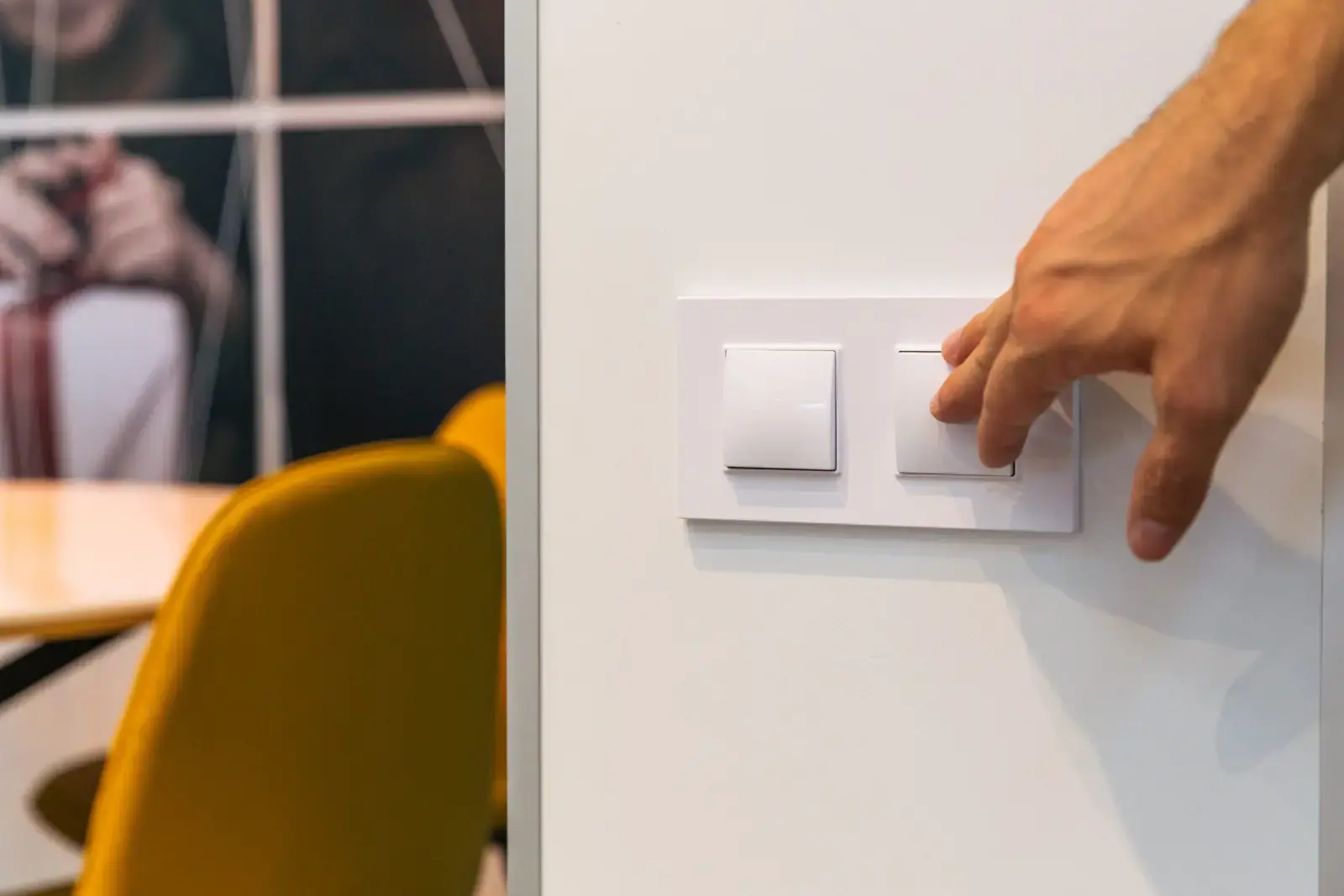
Switches and push buttons
Small surfaces are easily overlooked. Light switches, lift buttons and other controls need a precise fit without obstructing moving parts.
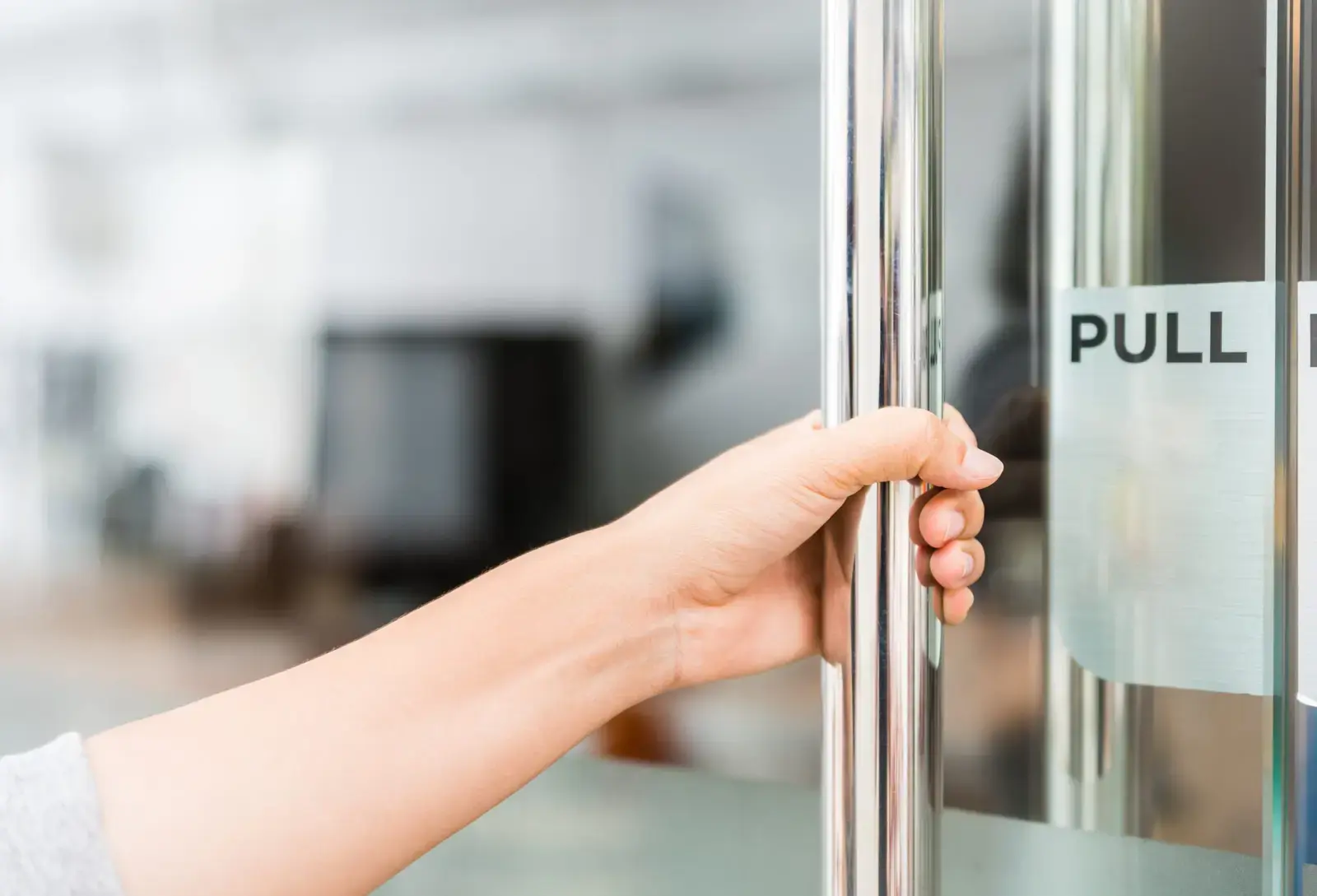
Door handles and push plates
Busy entrances, doors and handles are recognisable contact points. We assess shape, adhesion and wear from repeated handling.
Who it is for
Matched to your environment.
The contact surface and its everyday use guide the choice. We identify the key surfaces at each location.
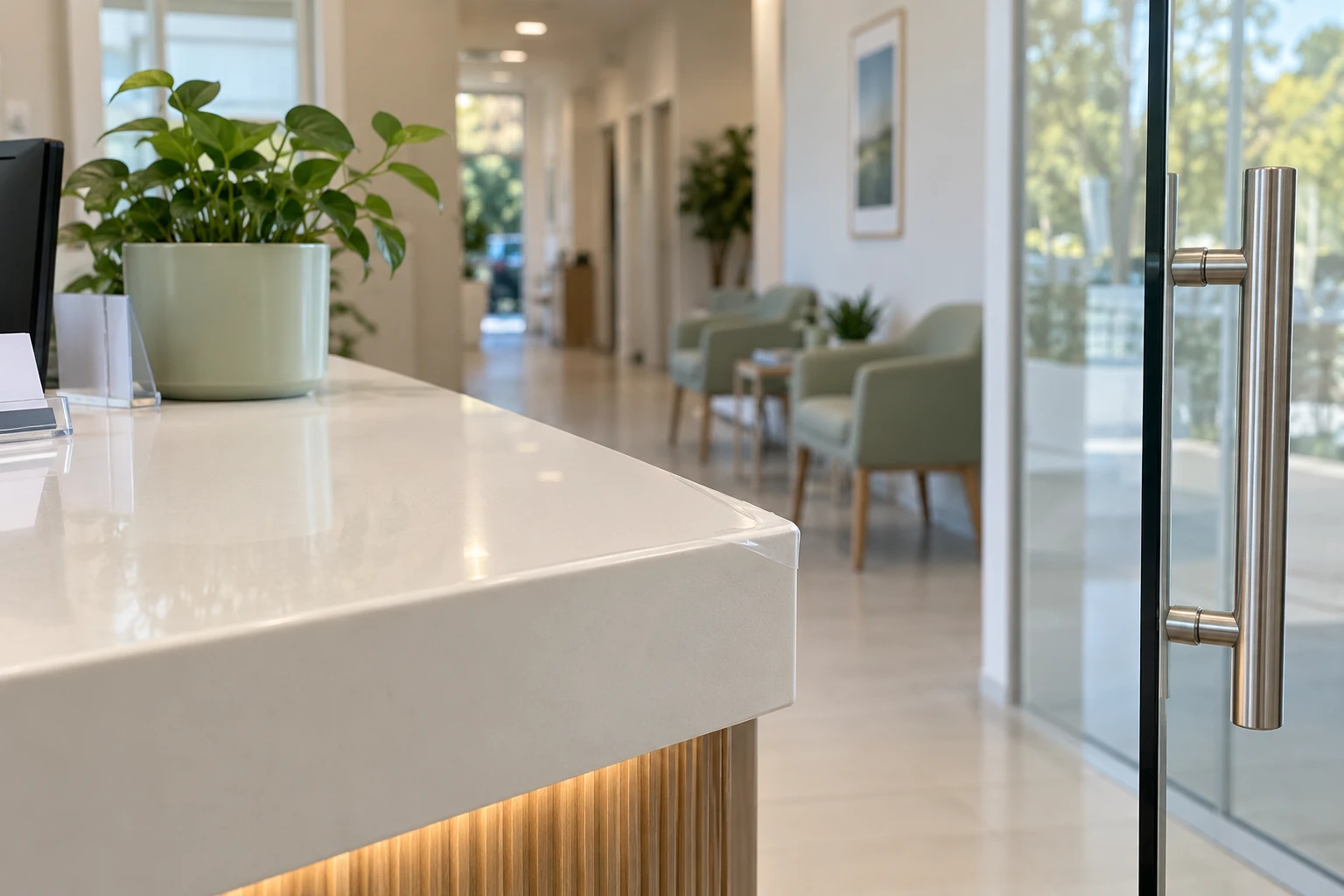
Healthcare and practices
For settings such as GP surgeries, dental practices and care buildings. Consider reception counters, door handles and waiting-room furniture.
- Coordinate with facilities management and hygiene policy
- Discuss cleaning products and equipment beforehand
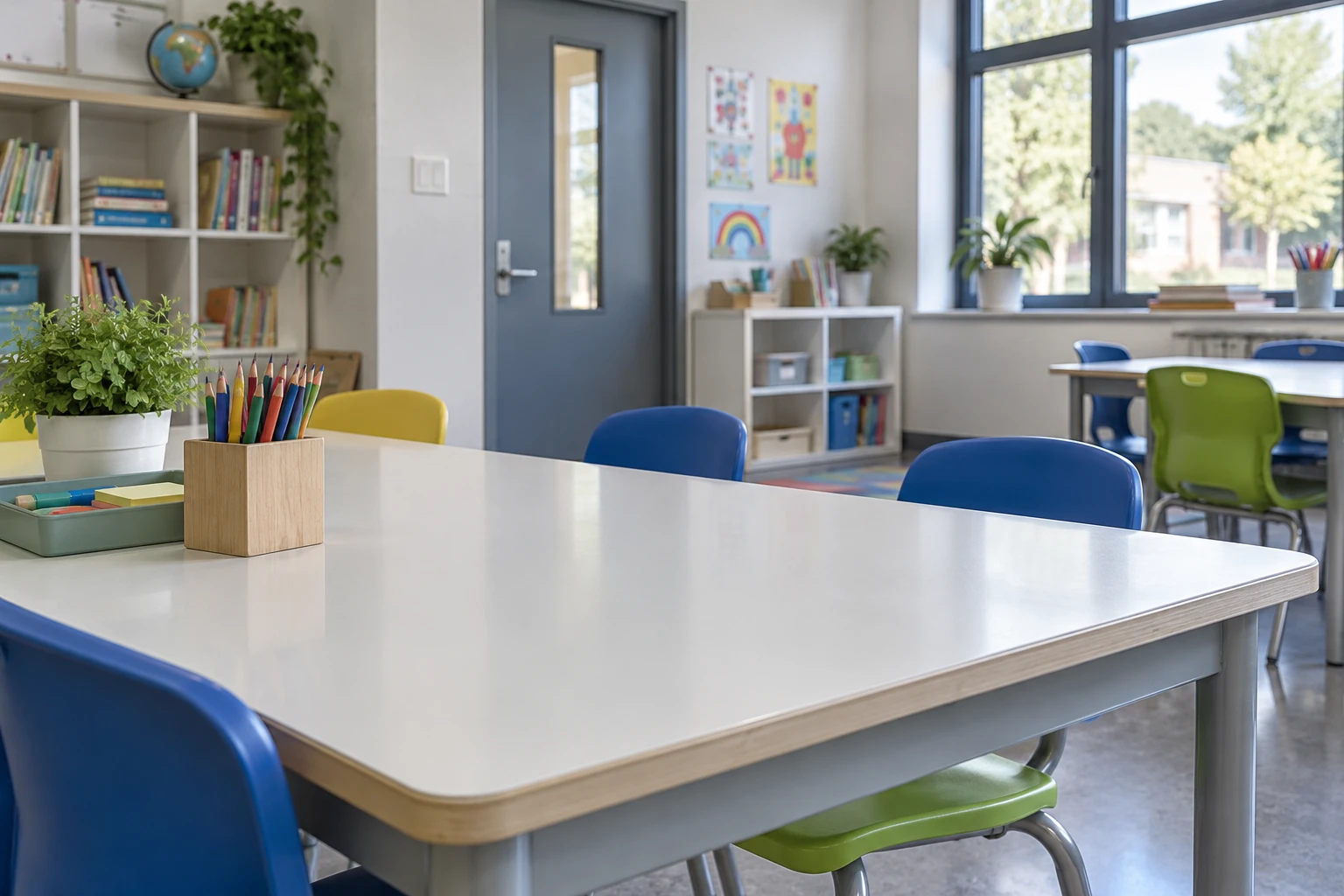
Education and childcare
From shared work tables to doors and controls. Identify the surfaces frequently used by pupils, staff and visitors.
- Survey contact points in each room
- Match the finish to cleaning and wear
Offices and shared workplaces
For reception spaces, meeting rooms and flexible workstations. A transparent finish can retain the appearance of suitable existing surfaces.
- Switches, handles and shared controls
- Schedule fitting around the use of the premises
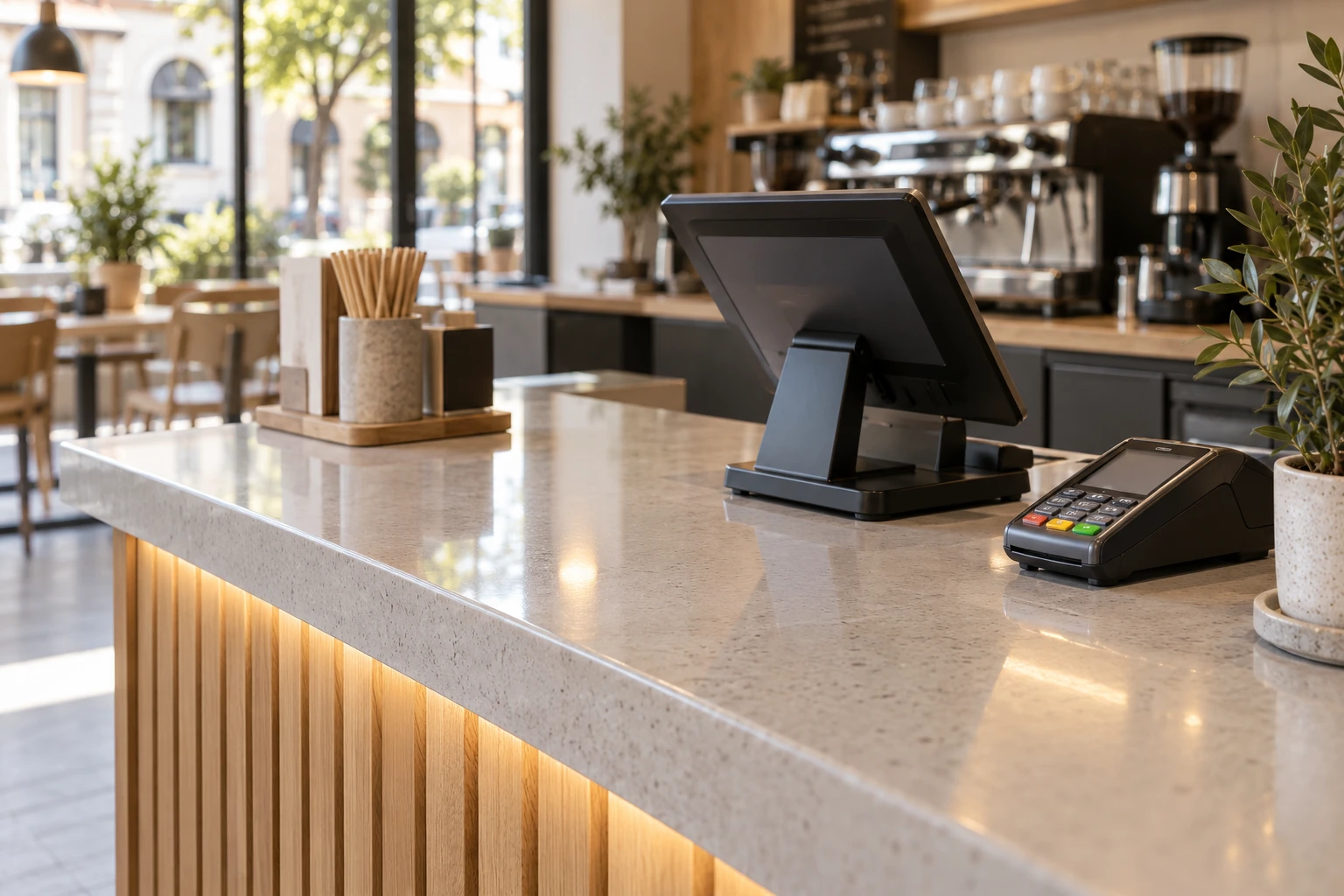
Retail, hospitality and service counters
Consider payment points, reception counters and customer kiosks. We focus on contact surfaces and account for the function of the furniture or device.
- Check payment and touchscreen compatibility
- Do not use the transparent surface film in direct contact with unpackaged food
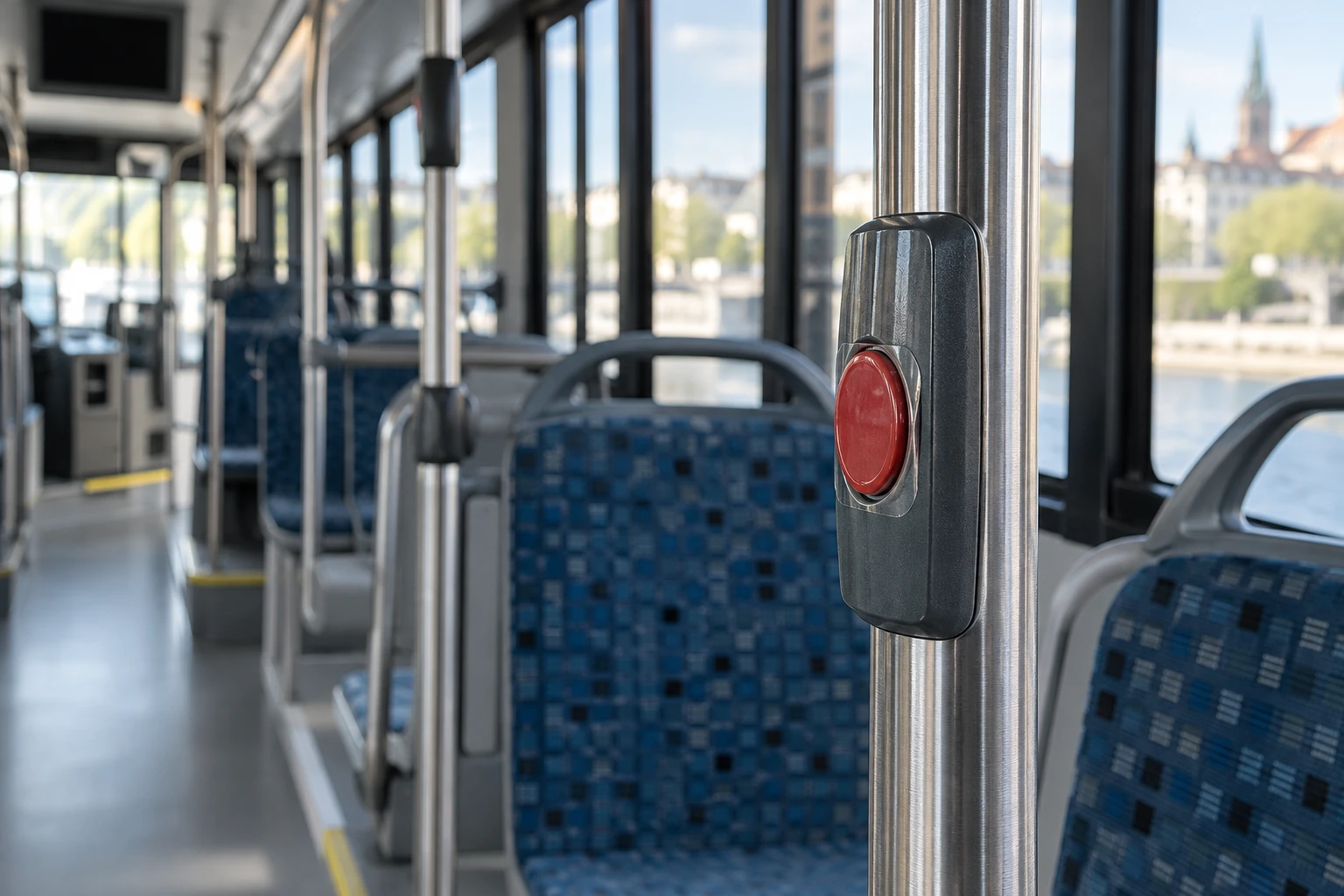
Transport and public facilities
For busy contact points such as handles, handrails and public controls. Frequency of use also informs inspection and replacement planning.
- Assess wear from frequent handling
- Include the material requirements of the vehicle or building
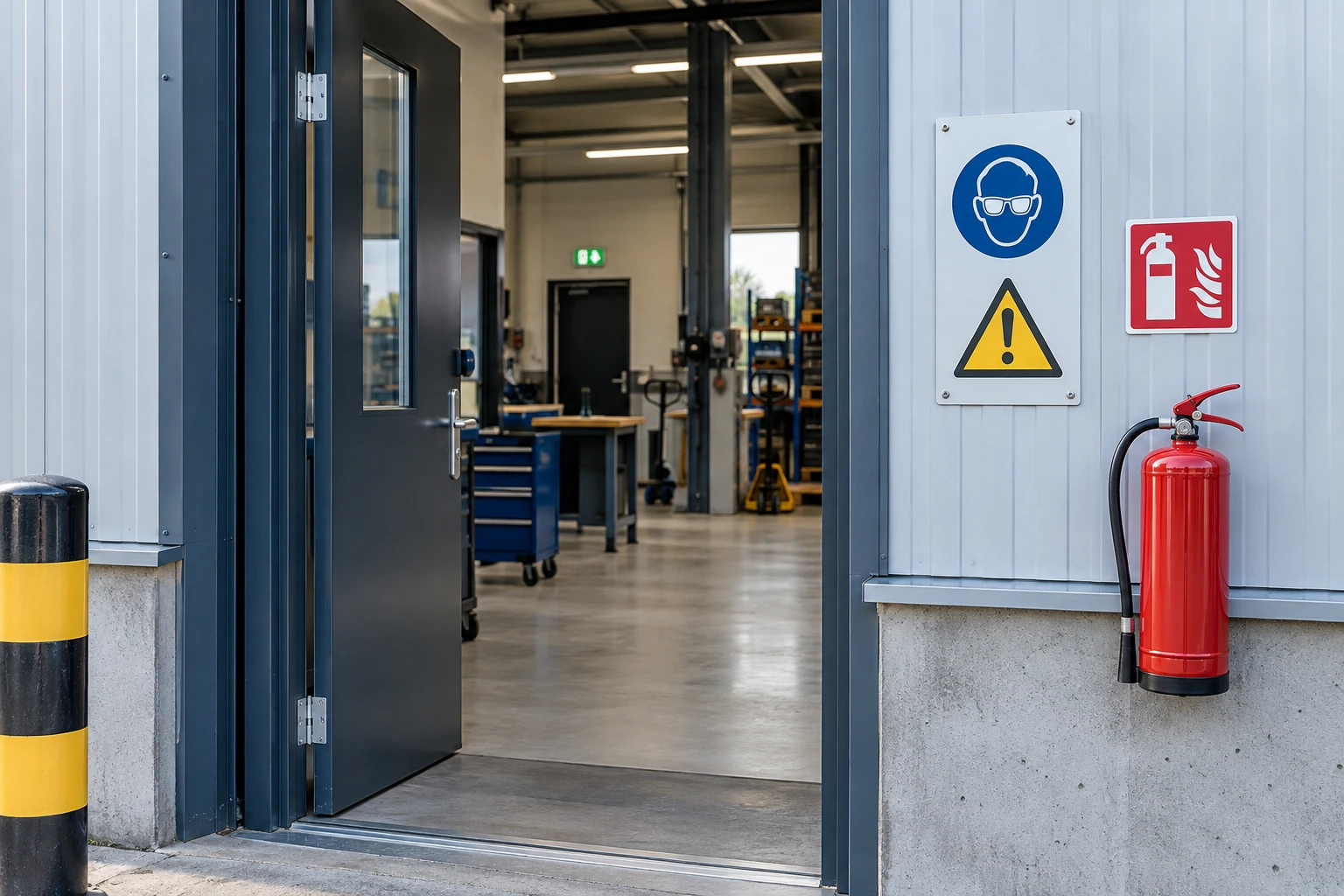
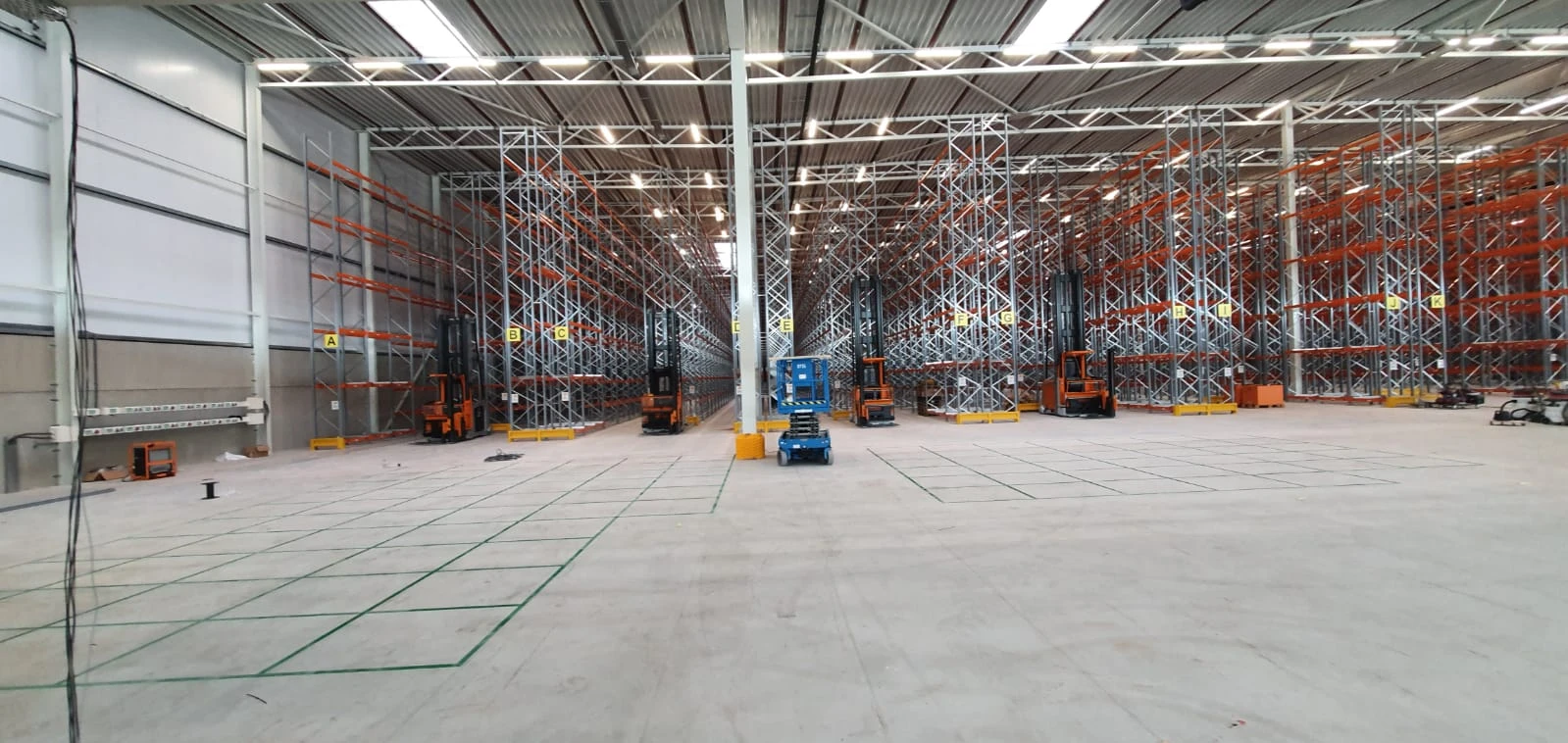
The four additional audience images are AI-generated illustrations. Antimicrobial activity cannot be seen in a photograph; we use the selected product’s documentation.
Materials and finishes
A finish that suits the existing surface.
Transparent gloss
Keep the substrate’s colour and material visible beneath a clear, glossy finish.
Transparent matt
A matt appearance for suitable substrates. On screens, we assess its effect on image quality and operation.
A textured finish
Textured versions, such as leather- or wood-effect textures, are available for certain applications. We discuss which finish suits the substrate.
A finish over a print
An antimicrobial laminate can be combined with compatible printed film. The complete construction determines suitability.
Cleaning and wear inform material selection.
Clean as agreed
Use products and dilutions suited to the selected film. Work with non-abrasive materials and continue following the agreed cleaning protocol.
Inspect regularly
Check edges, damage and heavily used areas. Film on a handle may wear faster than film on a lightly used vertical surface.
Replace when needed
Service life depends on substrate, friction and cleaning. We discuss inspection and replacement for each application rather than giving every location the same fixed interval.
From contact surfaces to a suitable finish.
- 01
Survey the location
Send photographs, dimensions and the areas you want to address.
- 02
Select the material
We discuss the substrate, use, cleaning products and required product information.
- 03
Prepare to fit
The film is prepared to suit the agreed contact surfaces.
- 04
Fit and hand over
We coordinate installation and provide guidance on cleaning, inspection and replacement.
Antimicrobial film
Which contact surfaces would you like to address?
Send a few photographs and tell us how the surfaces are used and cleaned. We help identify where film is suitable.
- Photographs, quantities and dimensions
- Substrate material
- Daily use and cleaning products
- Location and preferred schedule
Tell us what you need
Questions about antimicrobial film.
Are antimicrobial and antibacterial the same?
Antibacterial refers to bacteria. Antimicrobial is a broader term. The bacteria or other micro-organisms tested vary by specification. We use the accompanying test documentation.
Does the film still need cleaning?
Yes. Antimicrobial film does not replace cleaning or disinfection. We coordinate care instructions with your cleaning protocol and the selected film.
What do ISO 22196 and ISO 21702 mean?
These are test methods for antibacterial and antiviral activity respectively on suitable surfaces. A report applies to the tested specification, organisms, contact time and conditions; it is not a general guarantee for every application.
Can the film be fitted to any surface?
The substrate must be suitable for adhesion and use. Coatings, texture, curves and moving parts need consideration. We also check the operating requirements of screens and equipment.
Is it suitable for food contact?
The transparent surface film in the reviewed product information is intended for locations without direct contact with unpackaged food. For hospitality or food settings, we therefore first establish the exact contact surface and selected specification.
How long does the film last?
Use and mechanical wear are key factors. A frequently used handle may need replacement sooner than a lightly used vertical surface. Inspection and replacement are agreed around your circumstances.
How much does fitting cost?
Material, quantities, shape, preparation and installation affect the price. Photographs and dimensions help establish the application and a focused quotation.