

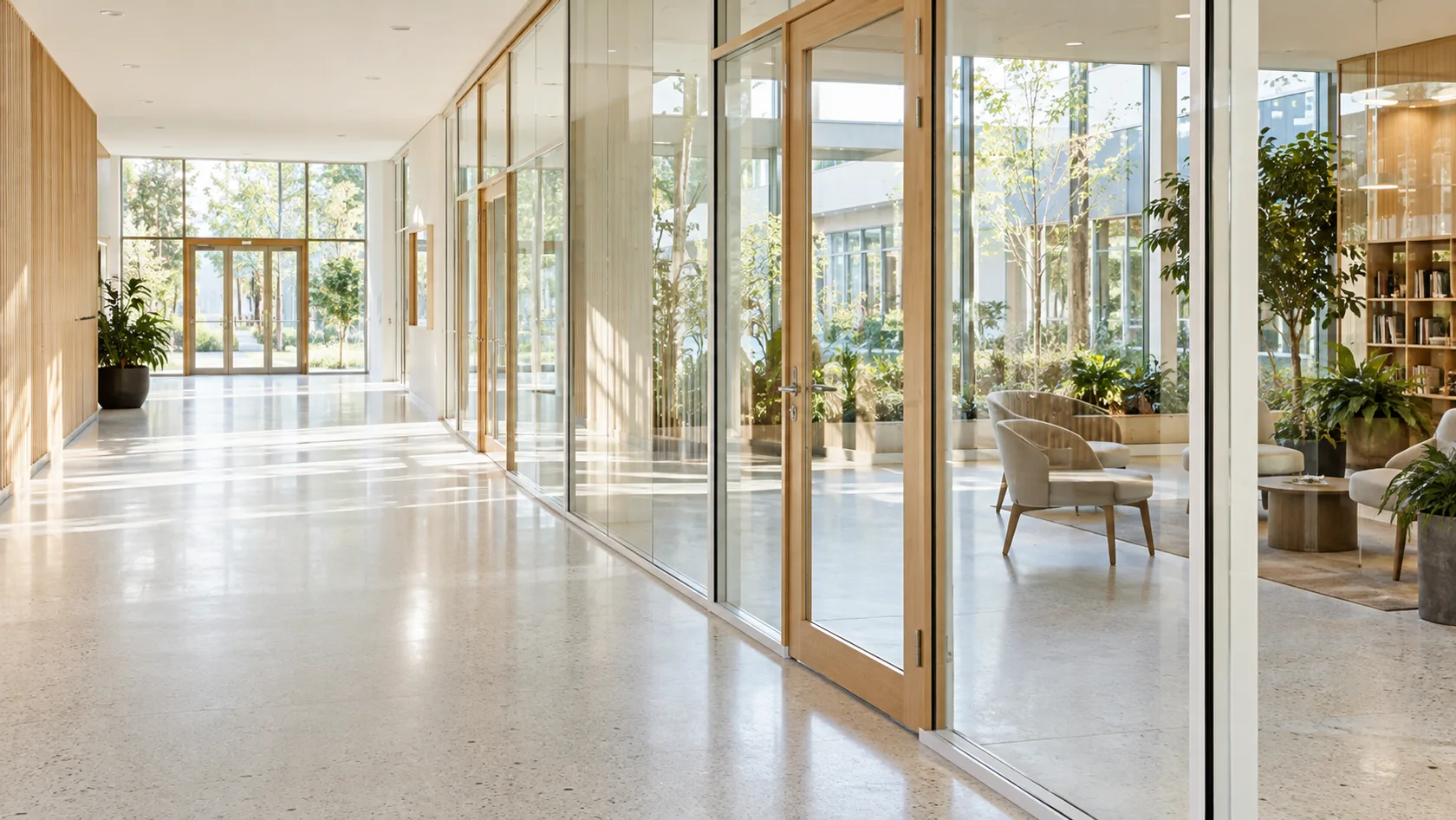
For the spaces you use every day
Glass safety film. Help keep fragments together.
A collision with a glass door or a damaged window can release loose shards. Safety film helps hold these fragments together. BlinkOut recommends a specification suited to your building, glazing and safety needs.
Assess existing glazing · Advice for the intended use · From choice to installation
Fewer loose shards, more attention to people
Make glass safety part of your interior.
Glass sees intensive use in school corridors, reception areas and workplaces. A suitable safety film forms an adhering layer on its surface. After breakage, this layer helps retain glass fragments and can reduce the risk of flying shards.
We begin with the setting: what glazing is installed, how is the room used and what performance is needed? Existing glass can sometimes be upgraded with film. This does not automatically make every pane safety glazing or ensure compliance with the same standard.
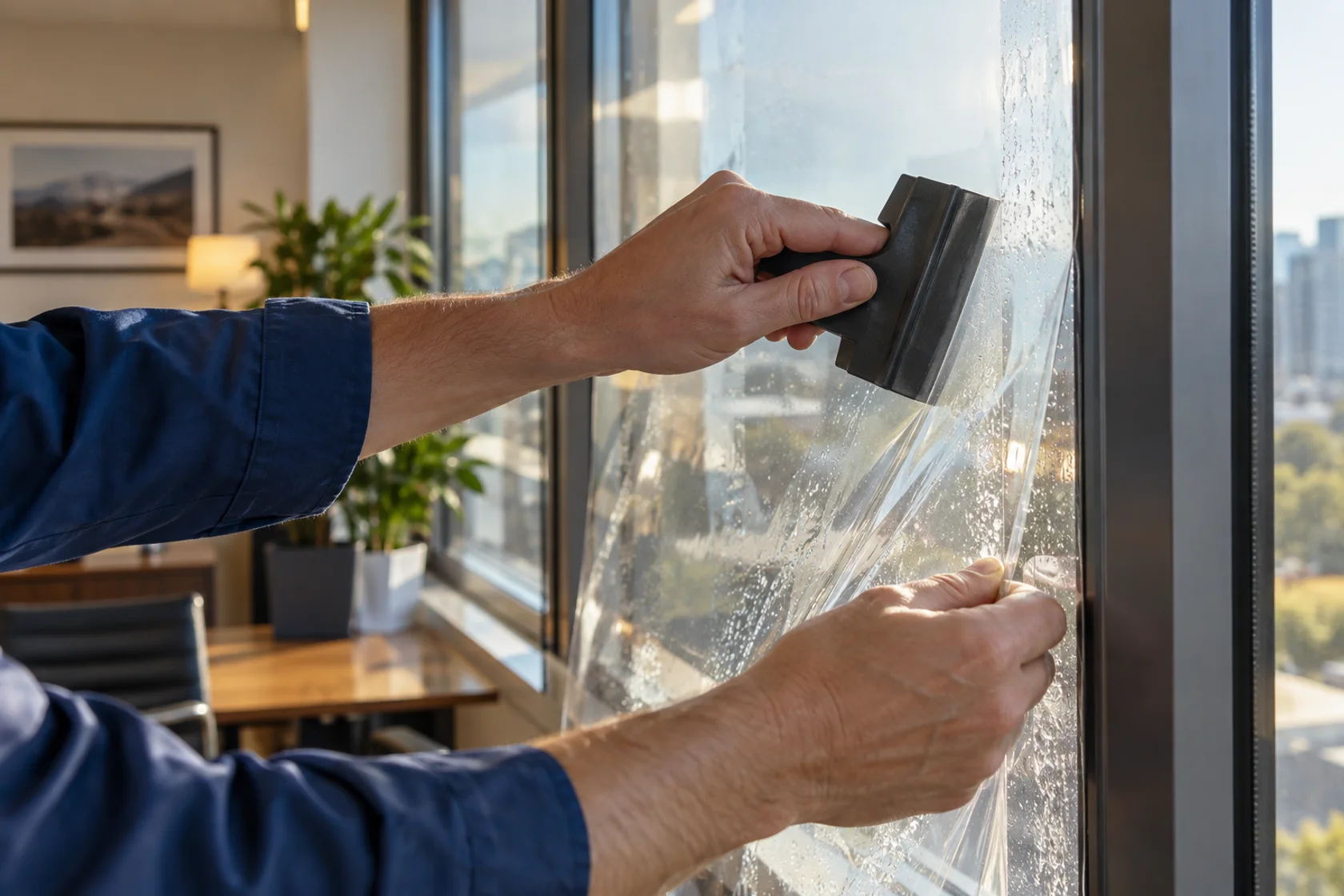
Where glass meets everyday use.
Schools & public buildings
Consider doors, low-level panes and glazing alongside circulation routes. Use and project specifications guide our advice.
Workspaces & reception areas
Reduce the consequences of unexpected breakage without immediately changing the interior design.
Healthcare & consultation rooms
Combine attention to glass fragments with comfortable daylight and, where required, a screened space.
A safer glass surface that suits the room.
Your safety requirements come first. Heat, unwanted views and surface damage can be considered in the same plan.
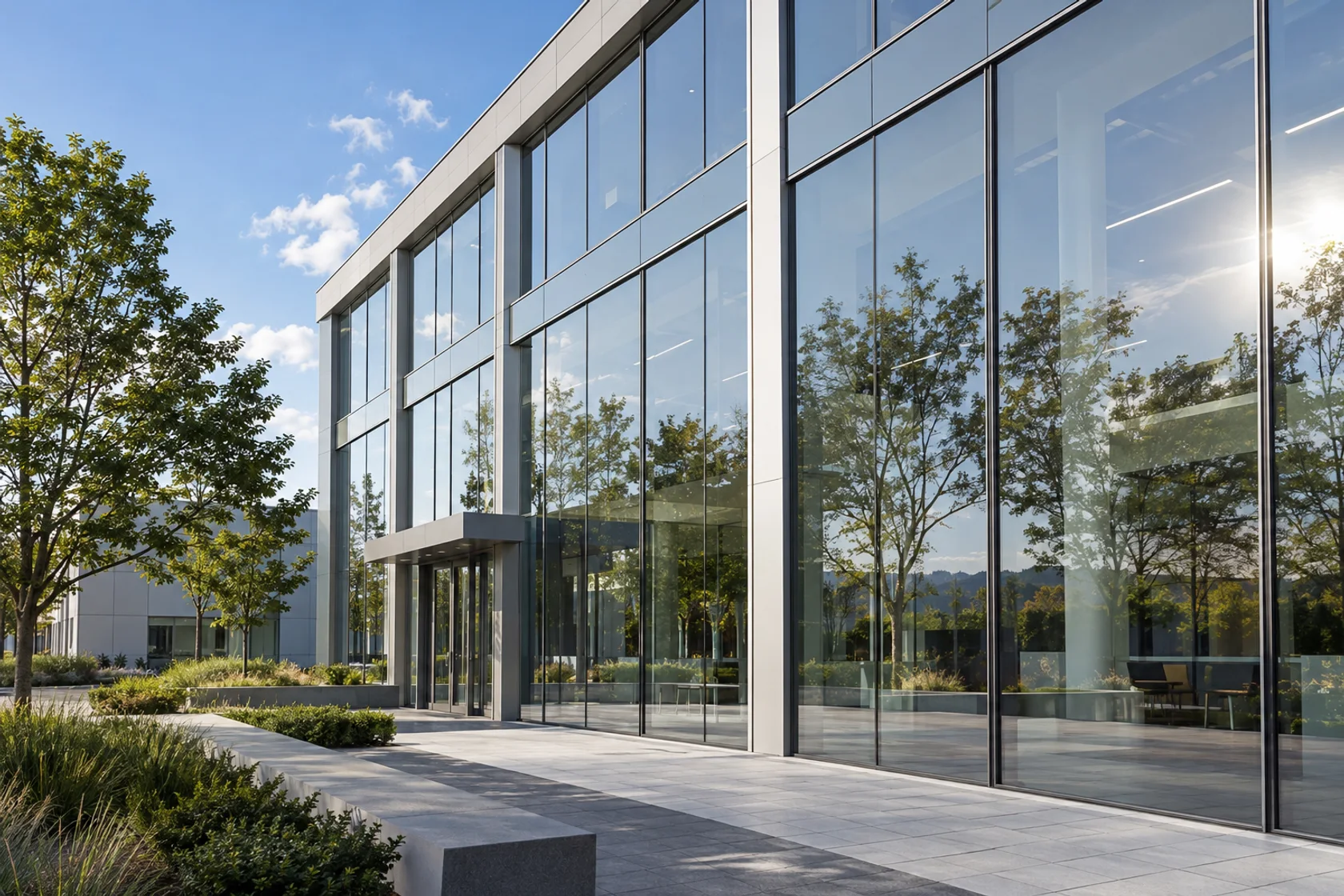
Safety with solar-control comfort
Combined solar safety film helps retain fragments while reducing solar heat and glare. Clear, neutral or reflective: the specification must suit the glazing and your daylight requirements.
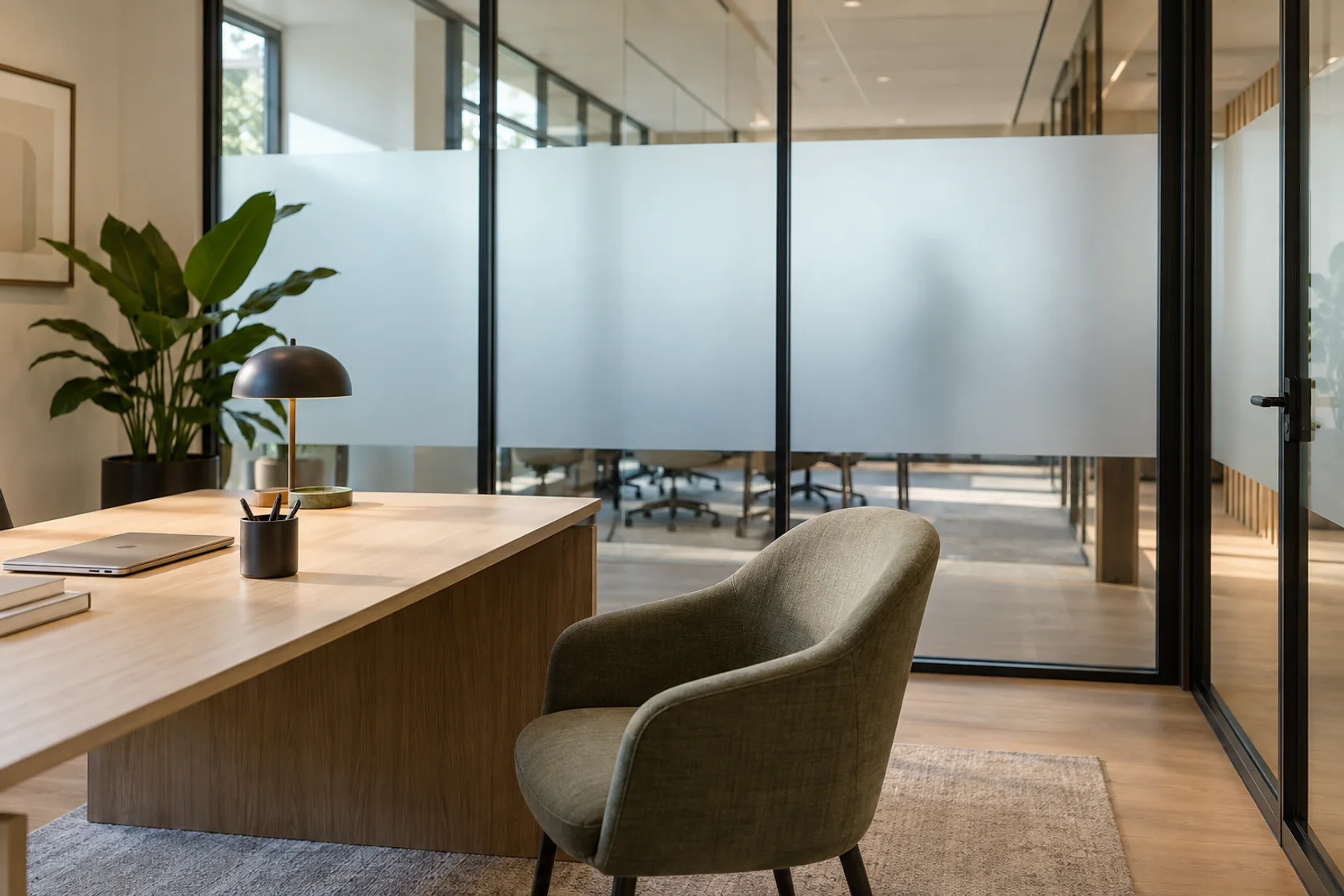
Frosted glass for private conversations
A suitable frosted safety film combines screening with fragment retention. Reflective film provides privacy mainly under favourable lighting conditions and does not provide permanent screening after dark.
Protection for the outer layer
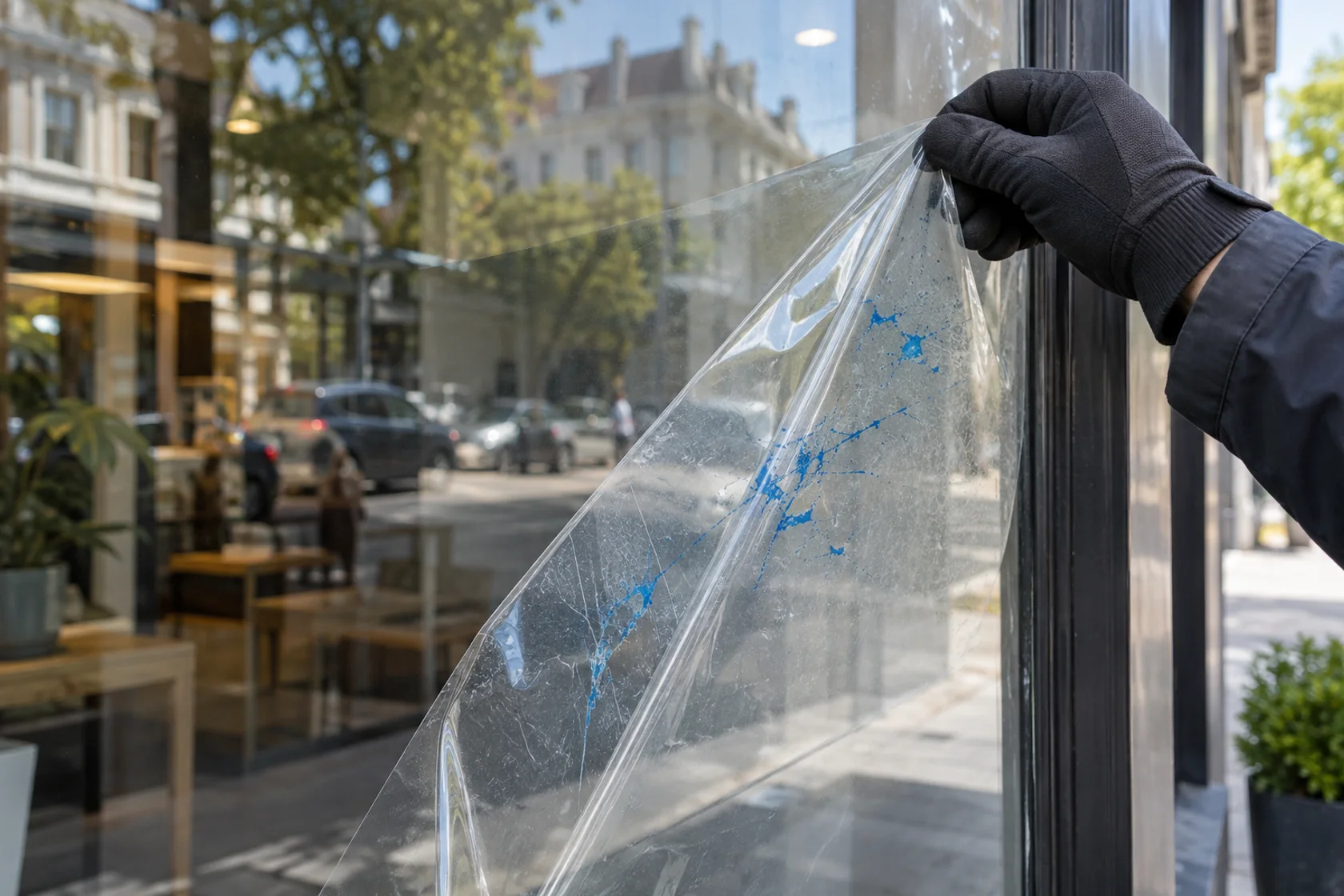
Where surfaces face frequent contact or vandalism, a replaceable protective film can help preserve the glass. Graffiti and scratch protection serve a different purpose from impact safety. We select an additional layer only where application and compatibility allow.
Choose for use and tested performance.
Thin and thick safety films have different constructions. As an indication, clear products are available around 100, 175, 200, 300 and 375 micrometres. Frosting, adhesive and installation also matter.
| Your requirement | What do we assess? |
|---|---|
| Retaining fragments | Clear film with suitable fragment retention for the existing glass type and required impact performance. |
| Screening and glass safety | A tested frosted construction, considering light transmission and the view through the partition. |
| Resistance to unwanted entry too | A heavier security construction and, where needed, edge attachment assessed as a complete assembly. |
Standards such as EN 12600 or EN 356 apply to a particular tested assembly. We confirm performance only when it is substantiated for your glass, film and installation.
Fragment retention in familiar settings.
From a playroom to damaged facade glazing, the intended protection determines the assessment and specification required.
Playing beside glazing
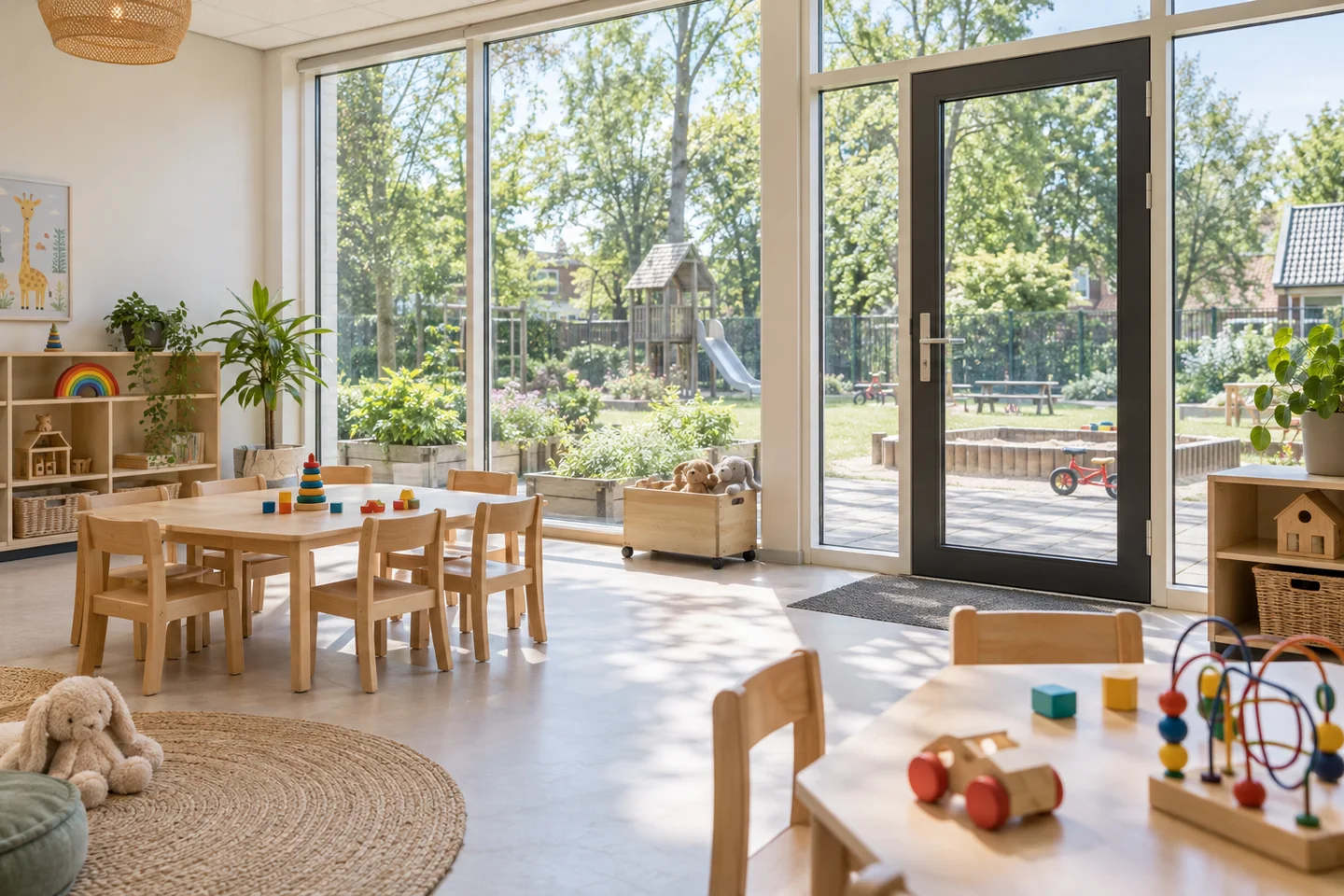
Children in nurseries come close to windows and glazed doors. Suitable safety film can help reduce loose fragments after breakage. The glazing construction and requirements for the location remain the starting point.
Deliberate glass damage
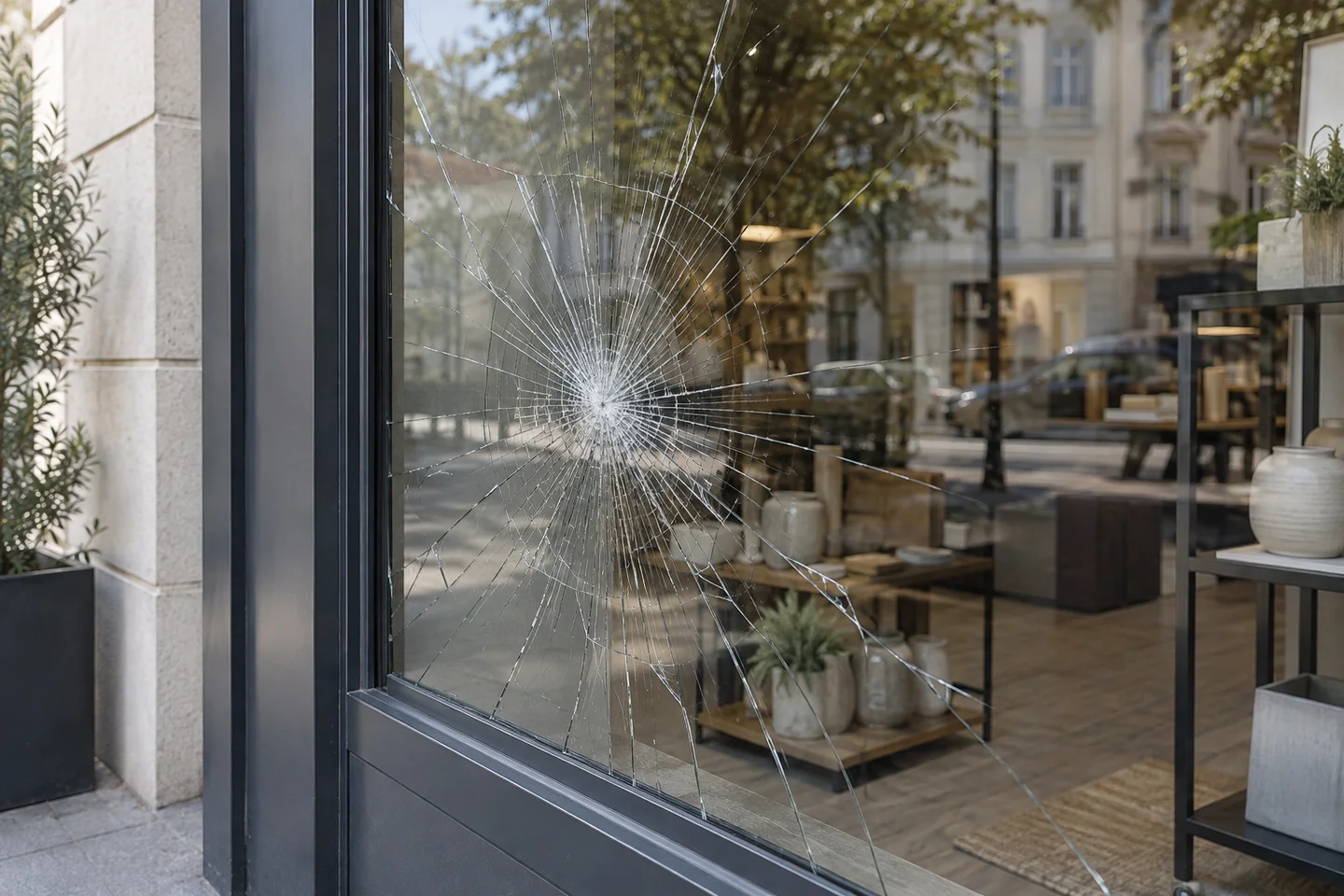
Limiting loose glass also matters after intentional damage. Fragment retention and delaying entry are different performance requirements; we select around the actual risk.
Glass hazards during explosions
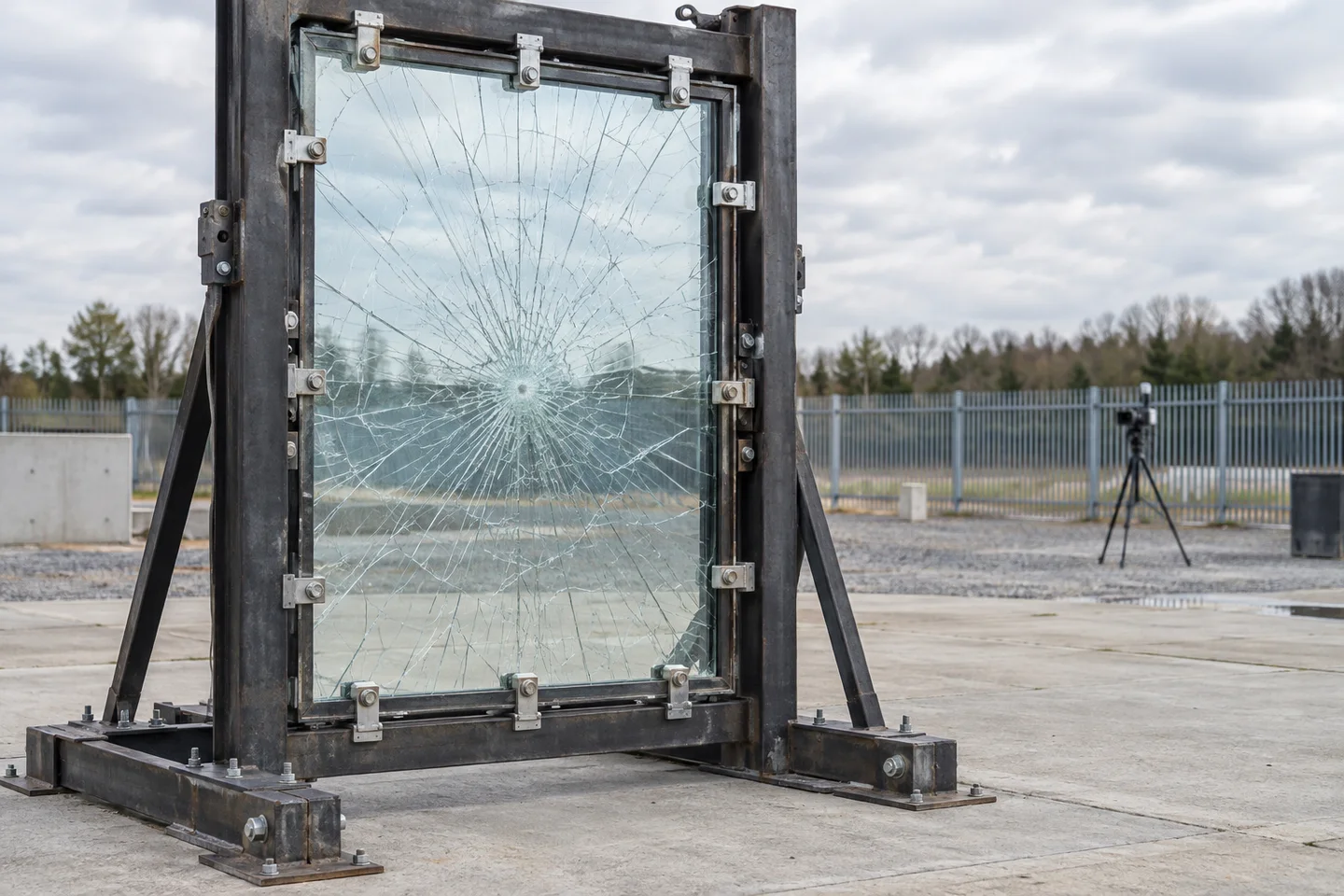
Where blast pressure is a concern, a general film thickness is not evidence of safety. Have the whole construction assessed by a specialist against the anticipated load and relevant test results. The aim is to reduce glass hazards; this does not guarantee bombproof glazing.
Understand first, then improve.
Building & use
We review panes, circulation routes and your reason for the work: a risk, refurbishment or specific safety requirement.
Suitable material
You receive advice on film construction, any additional functions and the conditions for an appropriate application.
Careful installation
We plan installation and provide guidance on cleaning and using the selected film.
For the spaces you use every day
Tell us where you want to use glass more safely.
Send photos, dimensions and any project requirements. We help identify a suitable specification for your premises and provide a clear proposal.
Prefer to call? +31 165 52 62 01Request your proposal
Questions about glass safety film
What does the film do when a pane breaks?
The adhering layer helps retain the fragments. The response depends on factors including glass type, film construction, breakage and attachment. Film does not make glass unbreakable.
Do I need to replace my existing glazing?
Not always. We assess whether film suits the existing glazing and required performance. Different glass or a structural change may sometimes be necessary.
Is safety film also security film?
Products can belong to the same family. Fragment retention and delaying forced entry place different demands on construction and attachment. We therefore select the specification for the intended purpose.
Will daylight still enter?
Clear safety film transmits a high proportion of visible light. Frosted, tinted and solar-control products affect daylight and visibility differently. We compare these properties beforehand.
Can you substantiate the applicable standard?
We review the available product and test documentation for the required situation. A standard or class cannot be separated from the specified glass, dimensions and installation.