

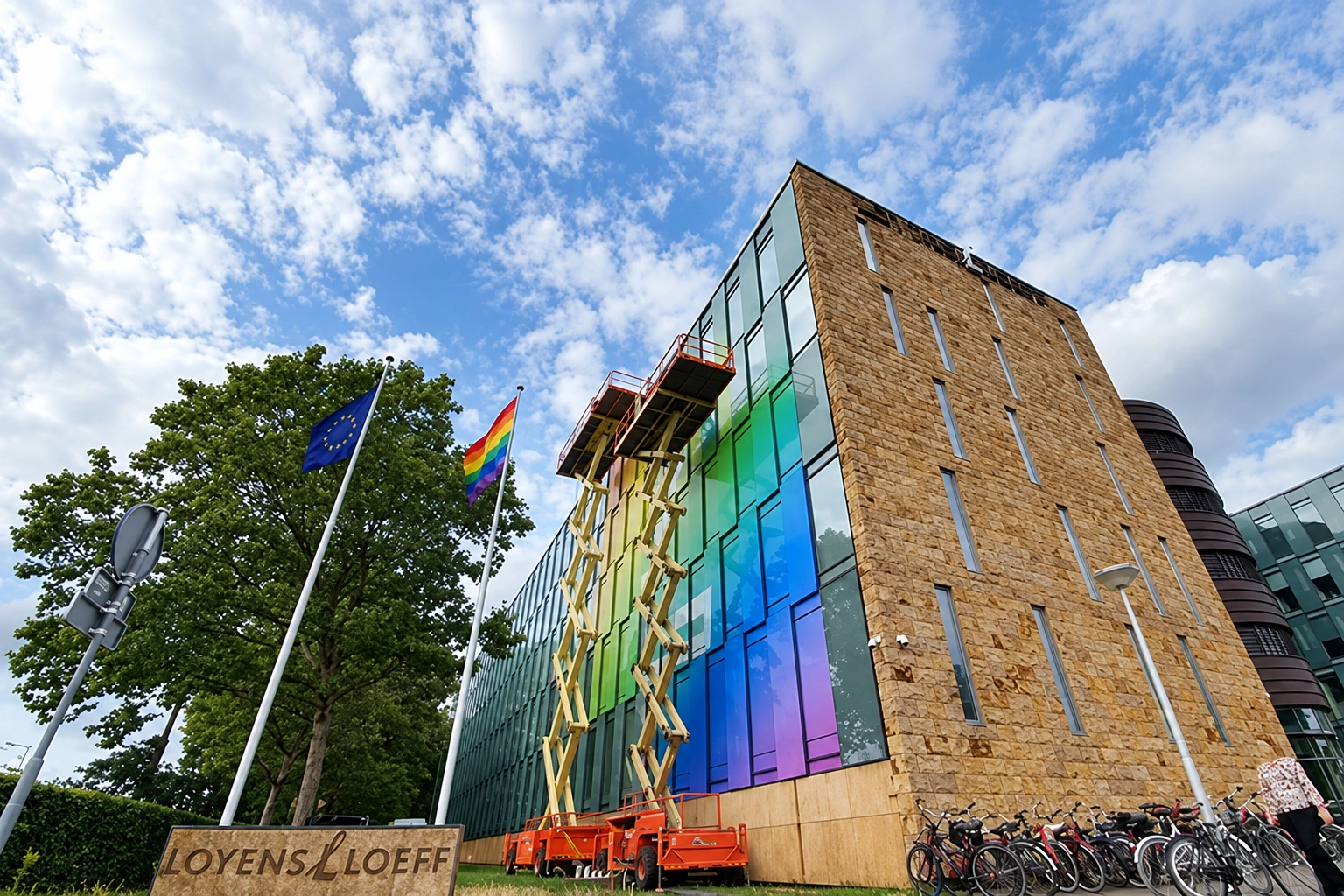
Perforated window graphics
One Way Vision film
Your print on the outside, a view out from within. One Way Vision combines a printed face, a black reverse and small holes. We use 70/30 for buildings and 60/40 for cars and buses, with more open area for a view out.
Viewed from inside
Black backing. Small holes. A view outside.
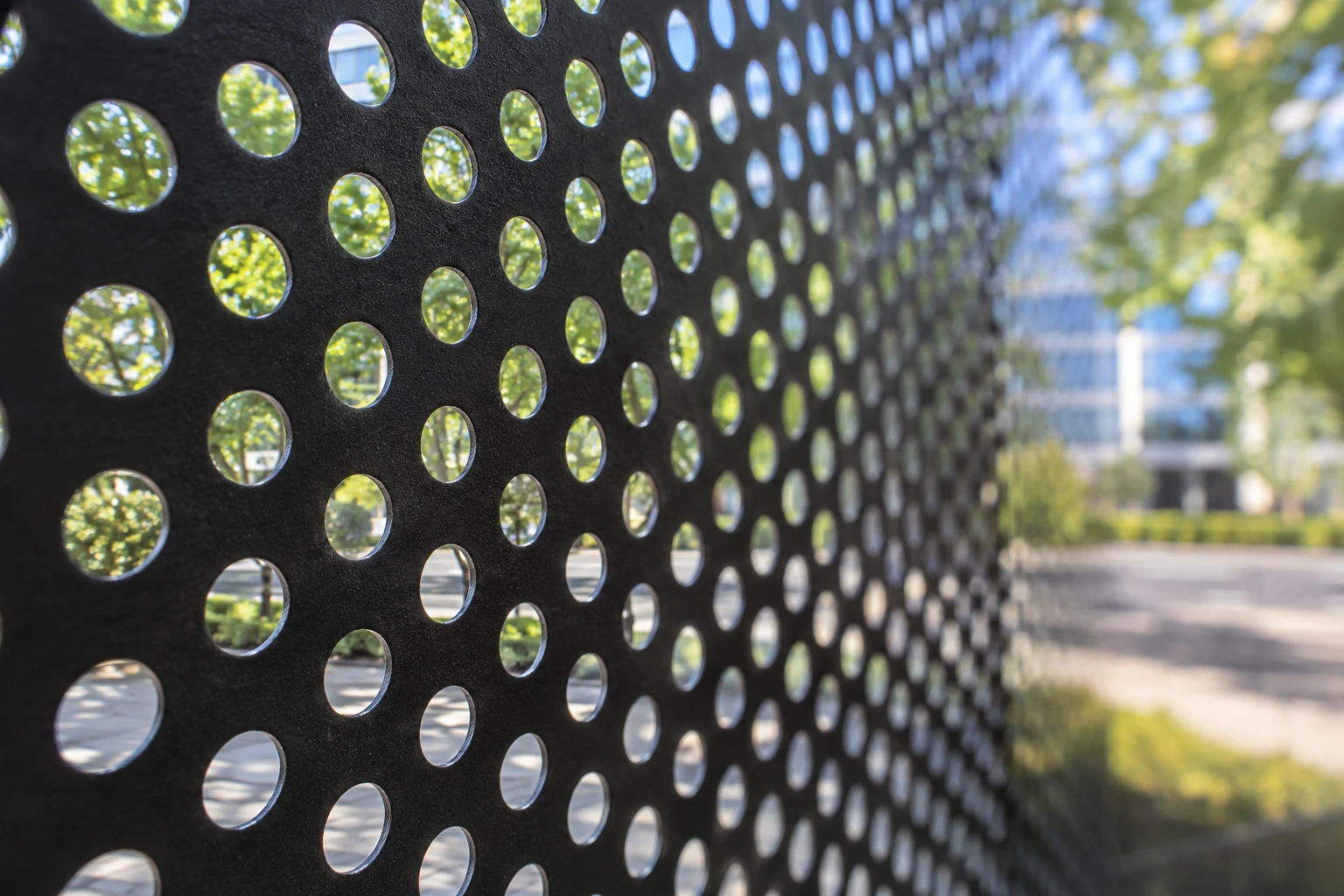
From outside, you see the printed face of the film. From inside, you face a black reverse. The round perforations are open: you look outside through these holes. The close-up shows the black film and its openings at close range.
The view differs from untreated glazing. The balance between printed surface and holes, viewing distance and the light inside and outside all contribute. We match the film to the building or vehicle and the view you want to retain.
Our two options
More print or more open area?
The numbers describe the split between printed surface and open perforations. We use the following starting points for your application.
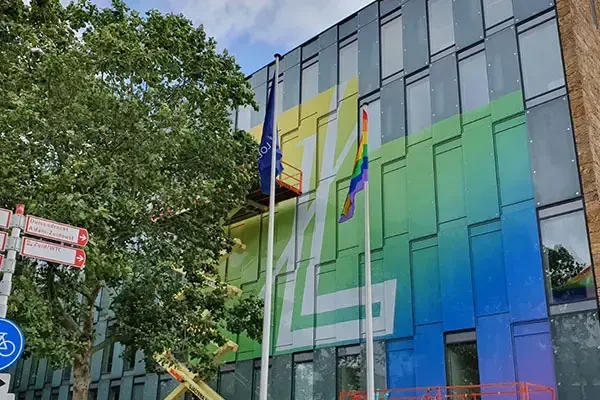
Buildings
70/30%
More surface for your print
70% printed surface and 30% open holes. We use this option for buildings, where the facade image and print visibility matter, while retaining a view out from inside.
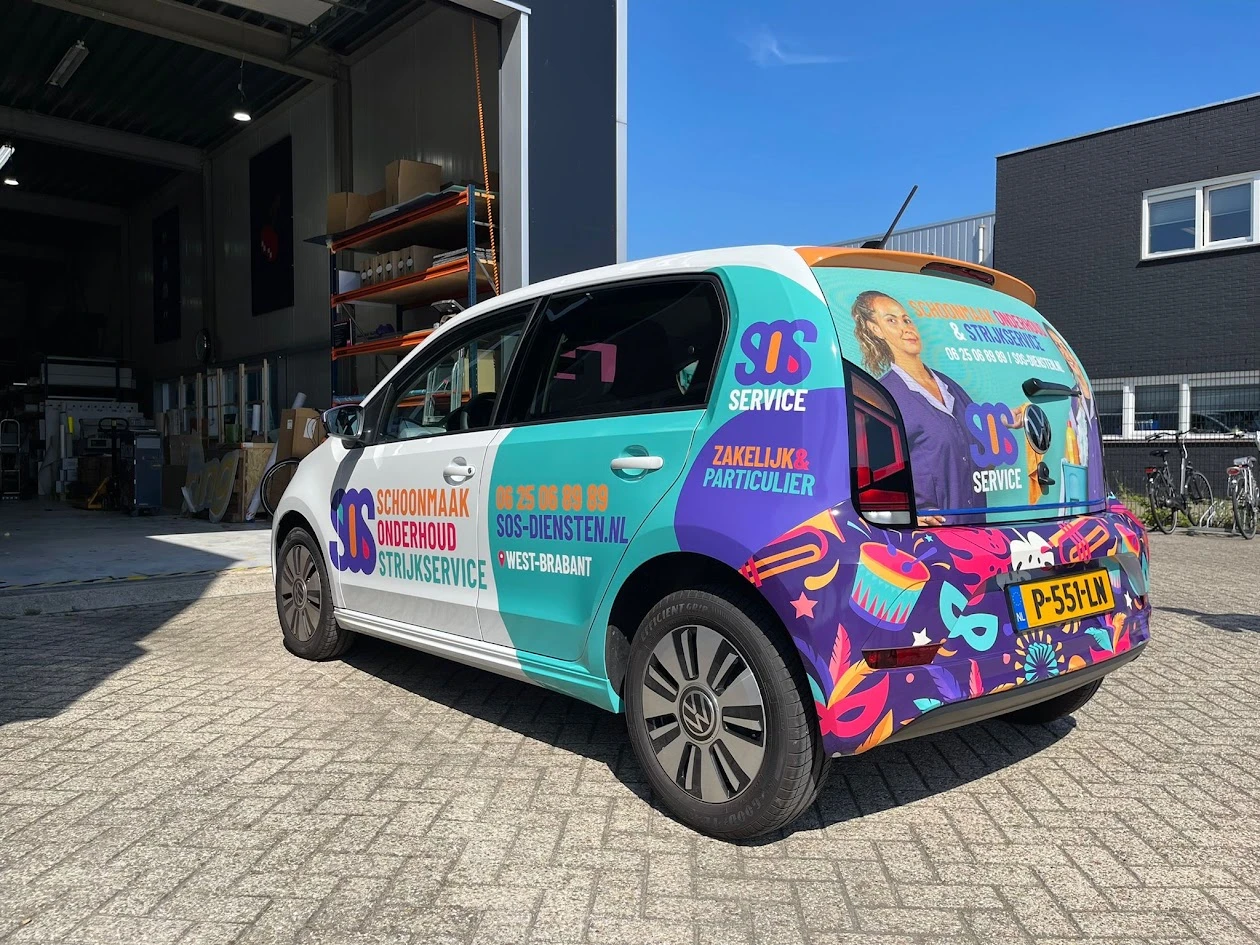
Cars & buses
60/40%
More open area for a view out
60% printed surface and 40% open holes. We use this option for cars and buses: more open area than 70/30, allowing more space to see through the film.
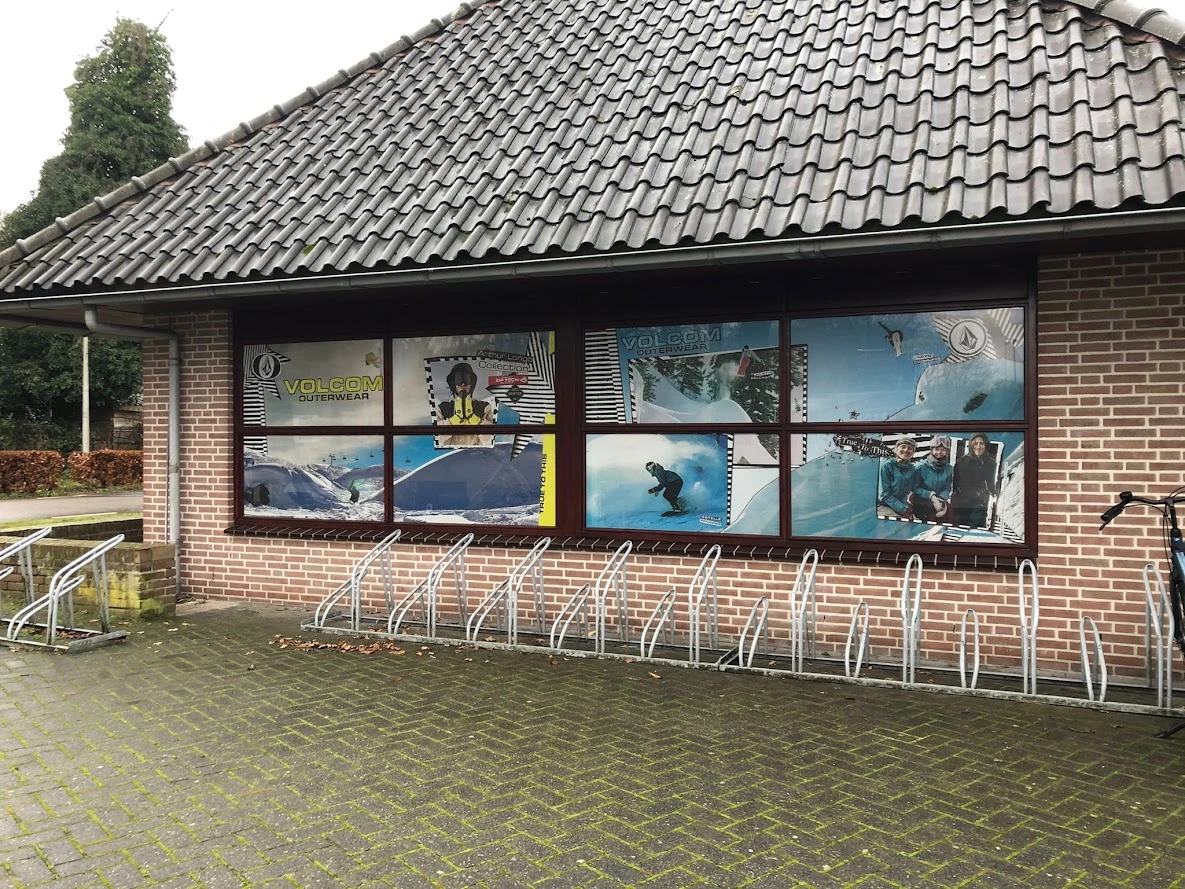
70/30 and 60/40 refer to the surface area of the film and its perforations. They are not measured light-transmission percentages. The project photographs show applications; the bars explain the material ratios.
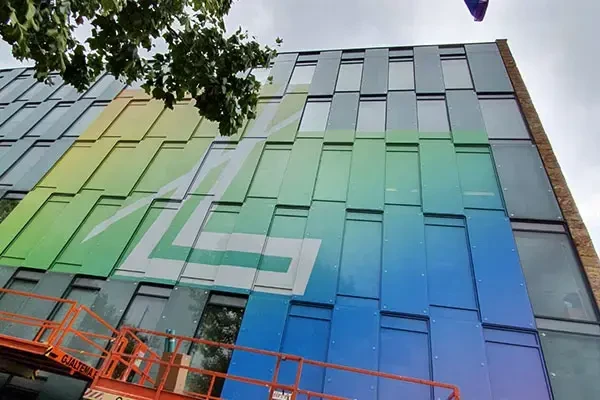
Featured project
Pride on an Amsterdam facade.
BlinkOut created continuous colourful window graphics for Loyens & Loeff during Amsterdam Pride. The printed glazing gave the building a distinctive appearance while staff retained a view outside during the day.
View the project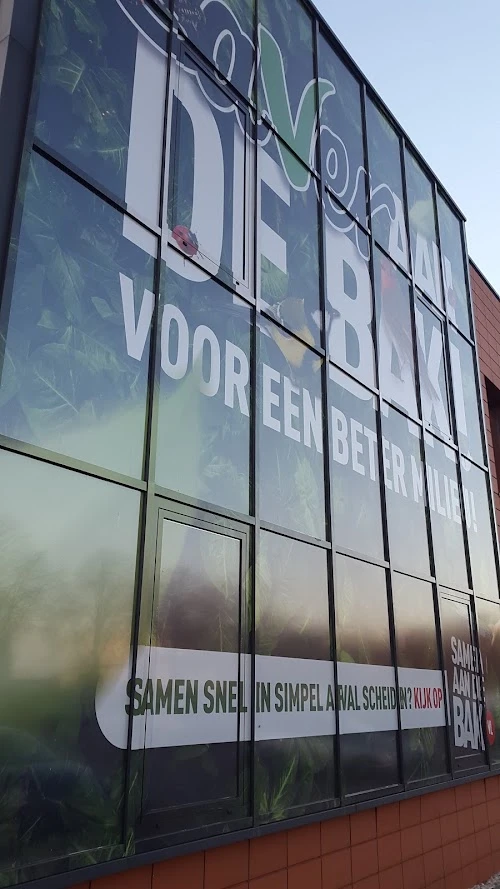
From your windows to a coordinated design.
- 01
Windows and sightlines
Send photographs and dimensions. Tell us whether the application is a building, car or bus and which windows you have in mind.
- 02
Film and design
We choose the appropriate ratio and divide your design across the panes, accounting for frames, doors and sightlines.
- 03
Print after approval
You approve the artwork. We then produce the printed film to suit the selected material and glazing layout.
- 04
Fitting and finishing
We arrange installation and finish edges and joins carefully. We provide advice on use and maintenance.
Put your glazing to work
Facade graphics or a print on your vehicle windows?
Send your idea and photographs of the windows. We help coordinate the print and the view through it.
- Building, car or bus
- Photographs and dimensions of the panes
- Your logo, image or artwork
- The view you need and preferred schedule
Tell us your idea
Questions about One Way Vision film.
What do 70/30 and 60/40 mean?
The first number is the printed surface area; the second is the open area formed by the holes. A 70/30 film has 70% printed surface and 30% open area; a 60/40 film has 60% printed surface and 40% open area.
Which option do you use for buildings?
We use 70/30 for buildings. It provides more printed surface than 60/40. We match the artwork to the building and the desired view through the glazing.
Which option do you use for cars and buses?
We use 60/40, providing more open area for a view out. We discuss the relevant panes and assess the sightlines needed for the vehicle.
Why is the inside black?
The reverse has a black appearance. You look outside through the open perforations, while the print sits on the outer face. The close-up on this page shows the black reverse and its holes.
Can you see the holes at close range?
Yes. One Way Vision is perforated material. The holes are visible close up; from further away, the outside print appears more as a single image. The view is not the same as through untreated glass.
Does the effect stay the same in all lighting?
No. The balance of light inside and outside affects the result, so the appearance can differ between day and evening. Tell us the view and screening you want so we can assess the setting together.