

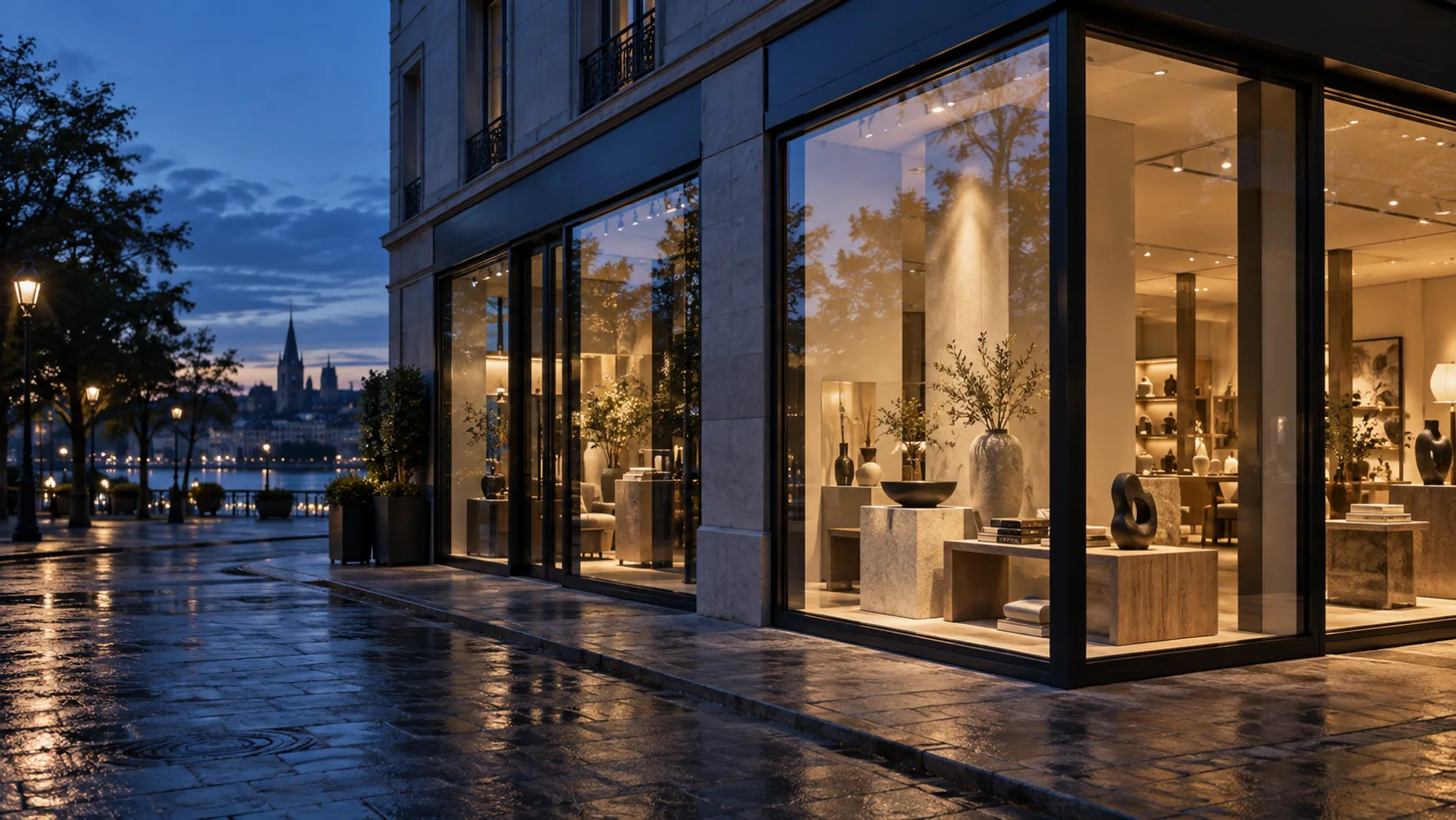
More resistance for your glazing
Security window film. Make quick entry more difficult.
A smashed window does not have to mean an immediate clear opening. Suitable security film helps hold broken glass together and can make it harder to create an entry point. BlinkOut considers your glazing, risks and required specification.
Advice for your glass · Suitable film construction · Careful installation
For shops, offices and commercial premises
Do not let a window become the easy way in.
When someone attempts to enter through glazing, keeping the pane together matters. Strong polyester film with a suitable adhesive helps retain fragments after breakage. This can offer greater resistance to quick entry than untreated glass.
Film forms part of the overall security plan. Glass type, pane size, frame and any edge anchoring all affect how the assembly responds. We assess the complete window alongside locks and other security measures.
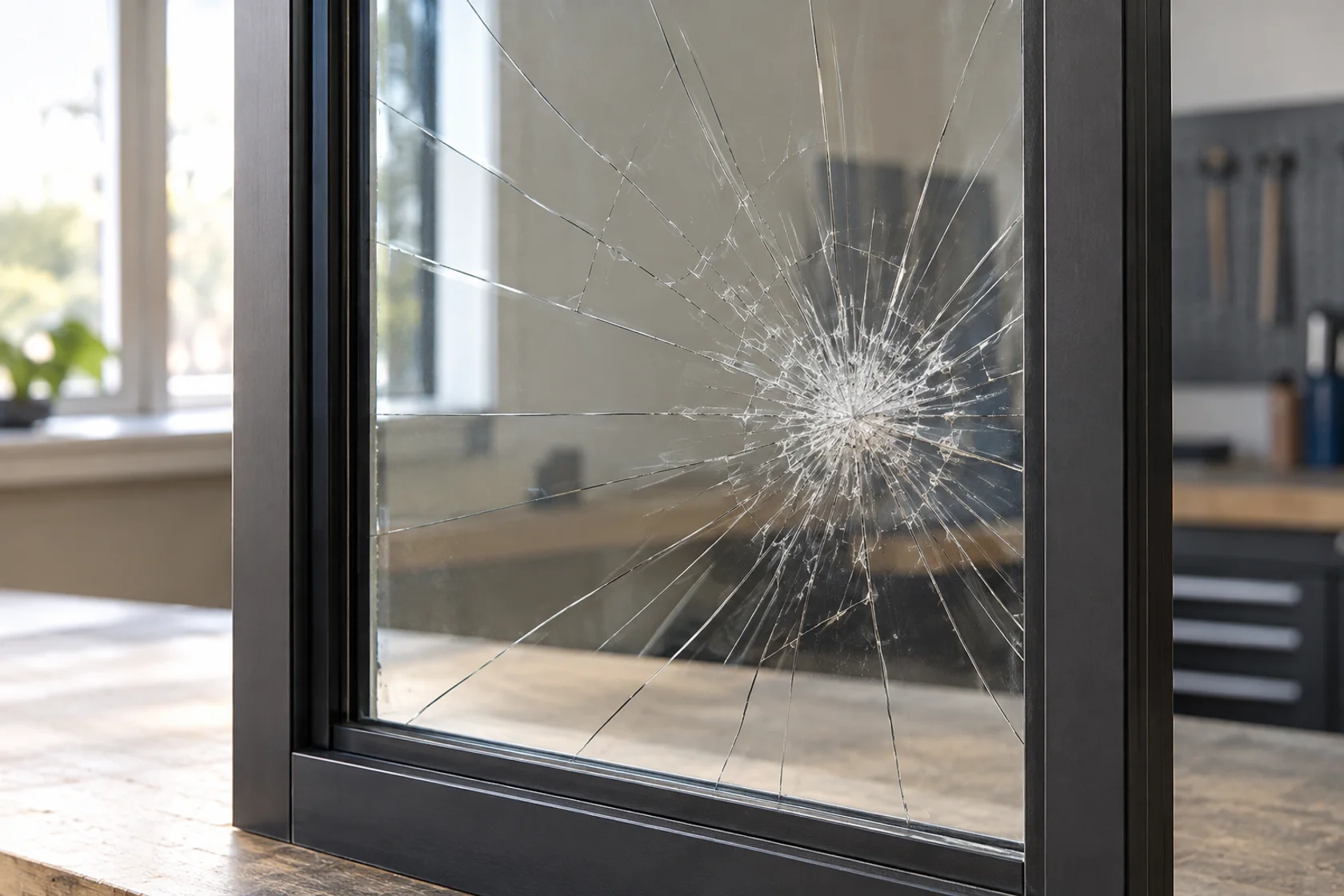
Start with the vulnerable areas.
Shop windows & storefronts
Keep your display visible while discussing additional resistance for accessible windows and doors.
Ground-floor offices
Identify panes near workspaces, storage and entrances where unwanted entry presents a risk.
Existing glazing
Have the suitability of a film upgrade assessed, including whether another glass or framing solution is needed.
Thickness contributes. The complete assembly determines performance.
Safety and security films share a common basis, but different constructions serve different purposes. Greater material thickness can contribute to resistance; thickness alone does not prove a burglary resistance classification.
| Example film thickness | What do we consider? |
|---|---|
| Around 100–125 µm | Lighter constructions for fragment retention. Not automatically the choice for delaying forced entry. |
| Around 175–200 µm | A heavier film construction where greater resistance is required. Glass and attachment remain part of the assessment. |
| Around 300–375 µm | Thicker or multi-layer constructions for higher security needs, where the tested assembly and installation support this. |
Examples from the film range, not fixed protection classes. Available thicknesses vary by product. A test result applies only to the specified combination of glass, film and attachment.
From childcare to higher security risks.
These application examples show why we assess the setting first. A film thickness alone does not prove protection.
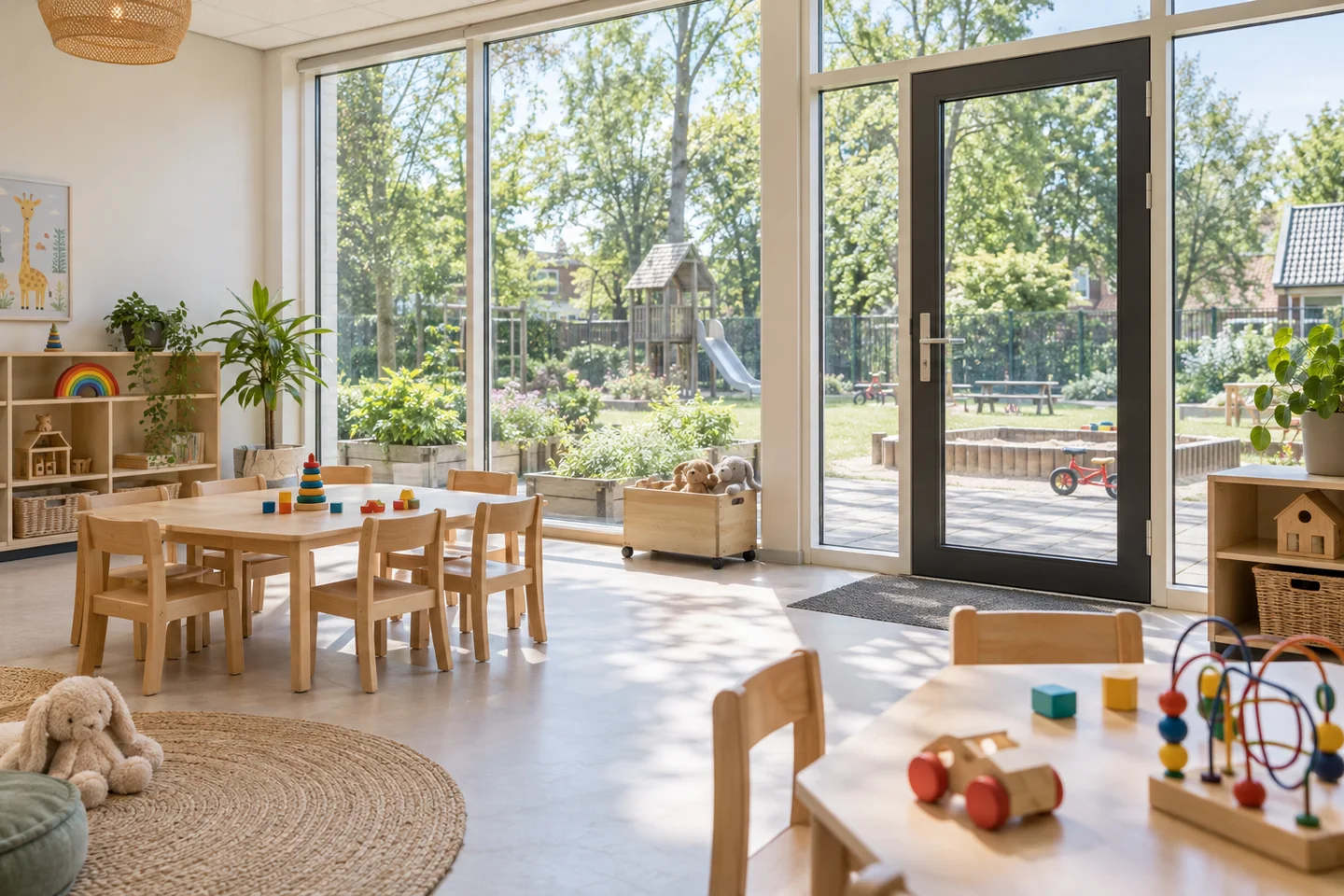
Nurseries & childcare
Accessible windows and glazed doors present both everyday-use and unwanted-entry considerations. We assess where fragment retention is needed and where an evidenced security assembly may also be appropriate.
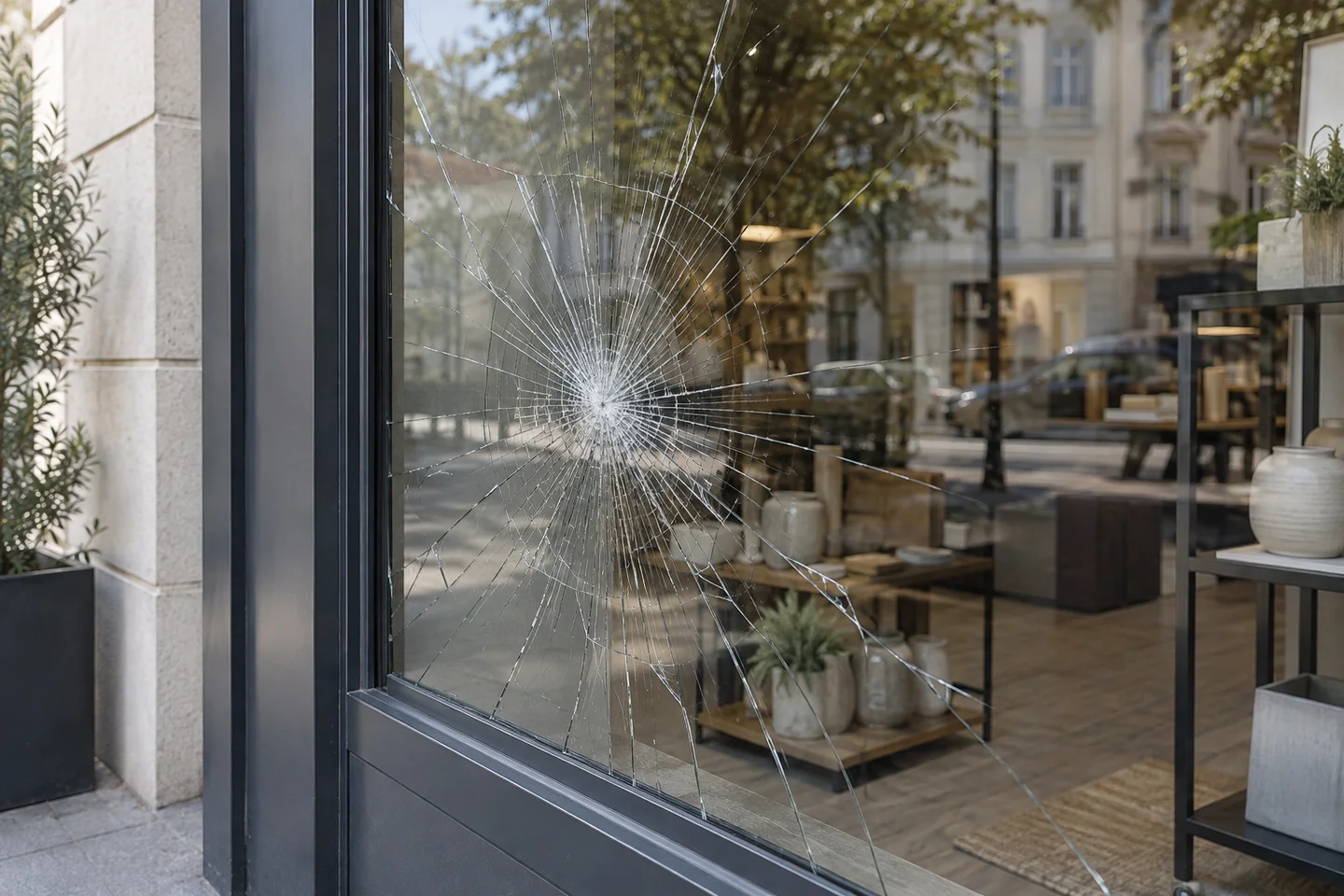
Shopfront vandalism
A blow can break a pane. Suitable film helps retain the fragments and may make an opening harder to create. Edge attachment and the existing shopfront also influence the result.
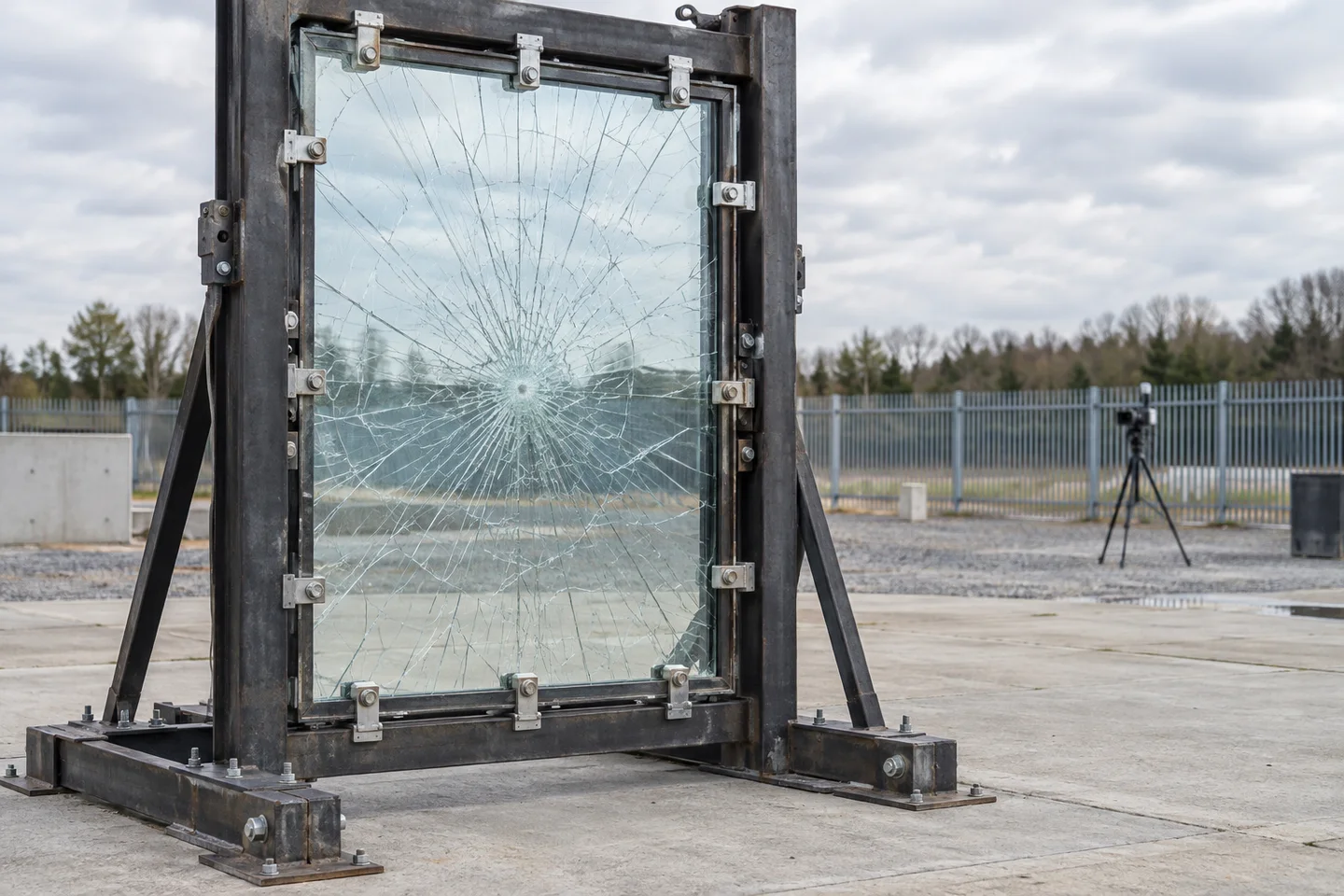
Bombs & blast pressure
Flying glass can be hazardous during a bomb blast or industrial incident. This requires specialist risk assessment and an evidenced, tested glass, film and frame assembly with suitable anchoring. Film alone cannot guarantee protection against an explosion.
Security can do more for your premises.
Choose the base specification for your security needs. Then we assess which additional function can be incorporated appropriately.
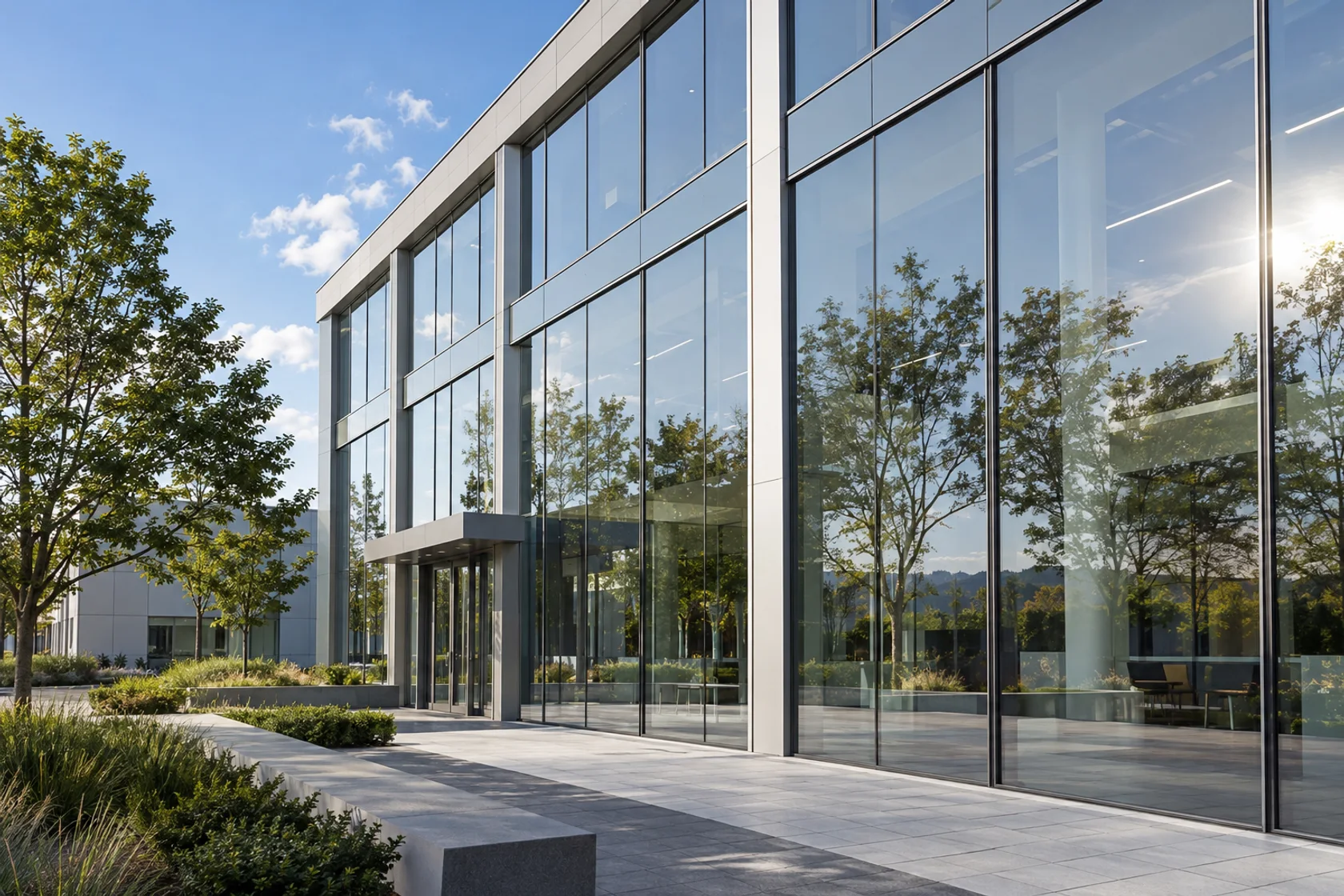
Solar control & a reflective finish
A purpose-designed security film can also reduce solar heat and glare. A reflective finish changes the facade and can reduce daytime views into the building. The mirror effect depends on the lighting contrast; an illuminated interior may become visible again after dark.
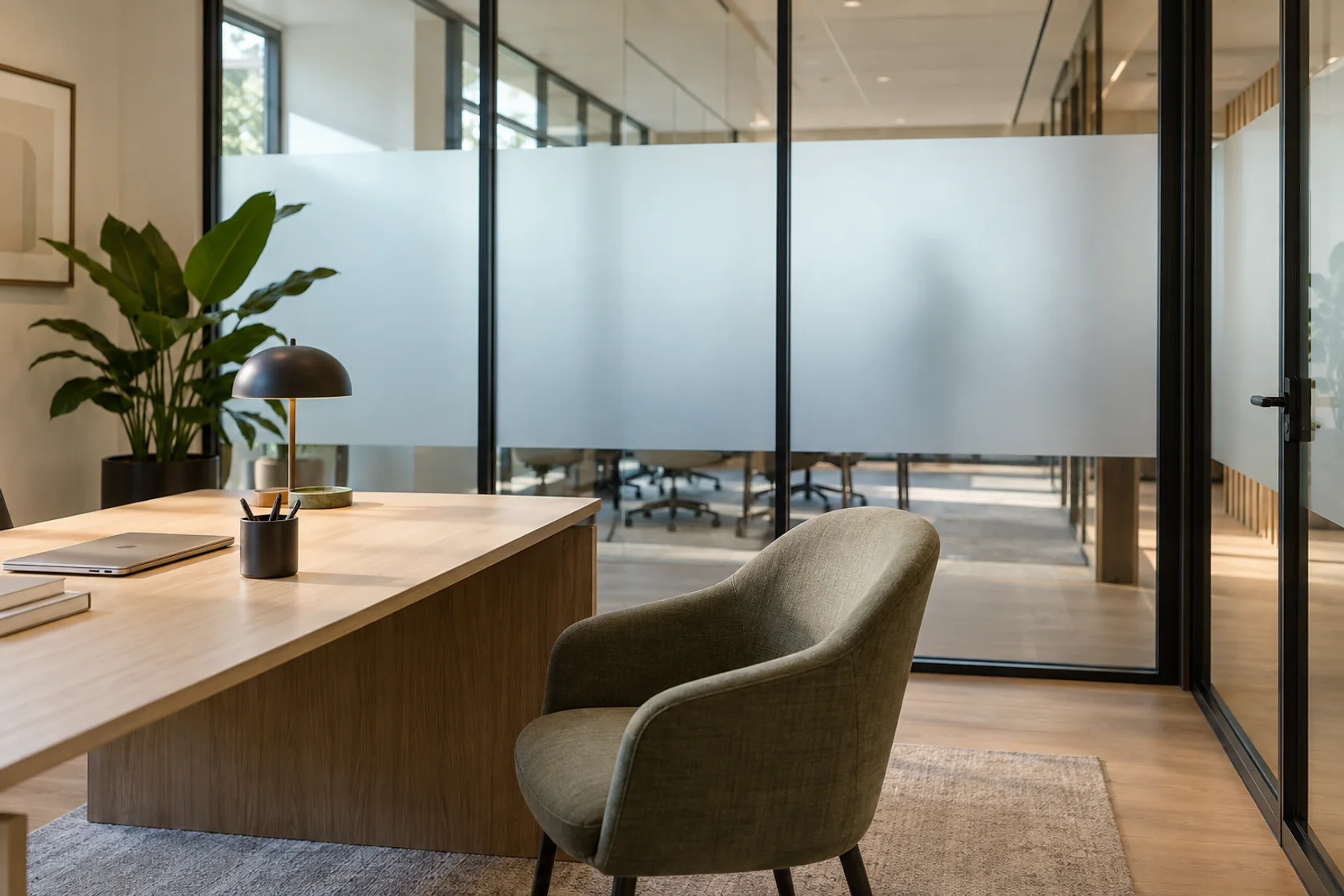
Privacy around sensitive spaces
Where a clear view is less important, a suitable frosted film can combine safety with screening. For clear windows, we find a different balance between light, visibility and protection.
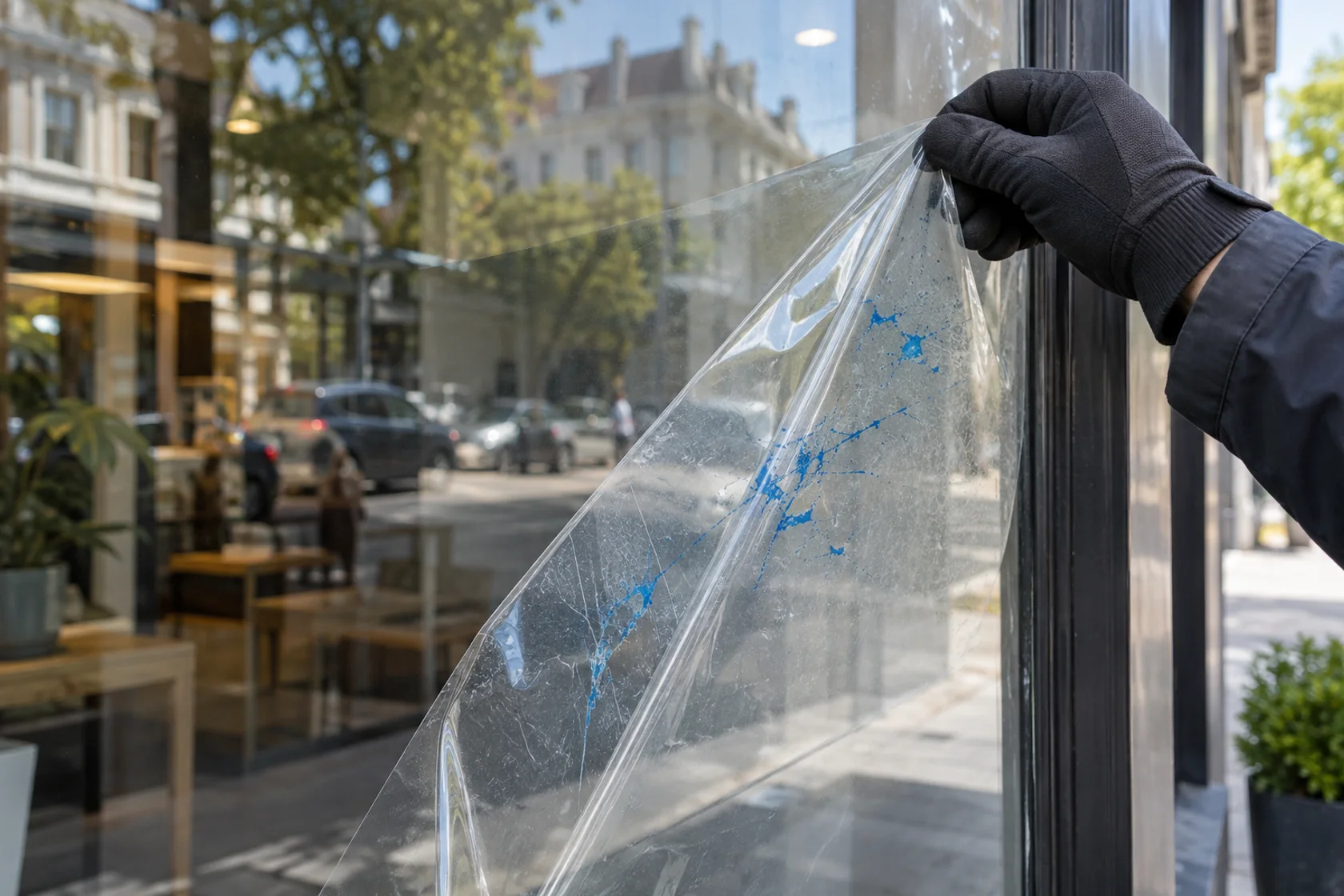
A replaceable anti-graffiti layer
A separate anti-graffiti film can take scratches and paint on vulnerable outer surfaces. The damaged layer is replaceable. This is surface protection and does not replace a tested security film. We check the application side and material compatibility.
From a vulnerable shopfront to a focused proposal.
Identify the risk
Send photos, dimensions and window locations. Explain what you want to protect and any existing requirements.
Select the assembly
We assess glass, edges and frames, and discuss film, any anchoring and additional functions.
Install & hand over
After approval, we agree preparation, installation and care for the selected specification.
More resistance for your glazing
Which glazing would you like to secure?
An accessible display window or a vulnerable entrance? Share your situation. From Roosendaal, BlinkOut helps you with a proposal for film, finishing and installation.
Prefer to call? +31 165 52 62 01Request your proposal
Questions about security window film
Does security film prevent every break-in?
No. It aims to make quick entry more difficult and retain broken glass. The outcome depends on the attack and the complete glass, film and frame assembly. There is no general guarantee of a particular number of minutes of delay.
Is the thickest film always the best choice?
Not automatically. The choice follows from the required performance, your glazing and the options for attaching the film at the edges. A thickness figure is not a certification class.
Can the glass remain clear?
Clear versions have a limited effect on appearance. Solar-control, reflective and frosted films have different optical properties. We discuss the desired finish beforehand.
Will my window meet insurance requirements?
We assess the specific requirement against documentation for the proposed assembly. A film designation alone does not confirm that the complete window meets a class or policy condition.
What determines the price?
Film construction, the number of panes, access, preparation, edge treatment and installation all contribute. Photos and dimensions allow us to prepare a focused quotation.