

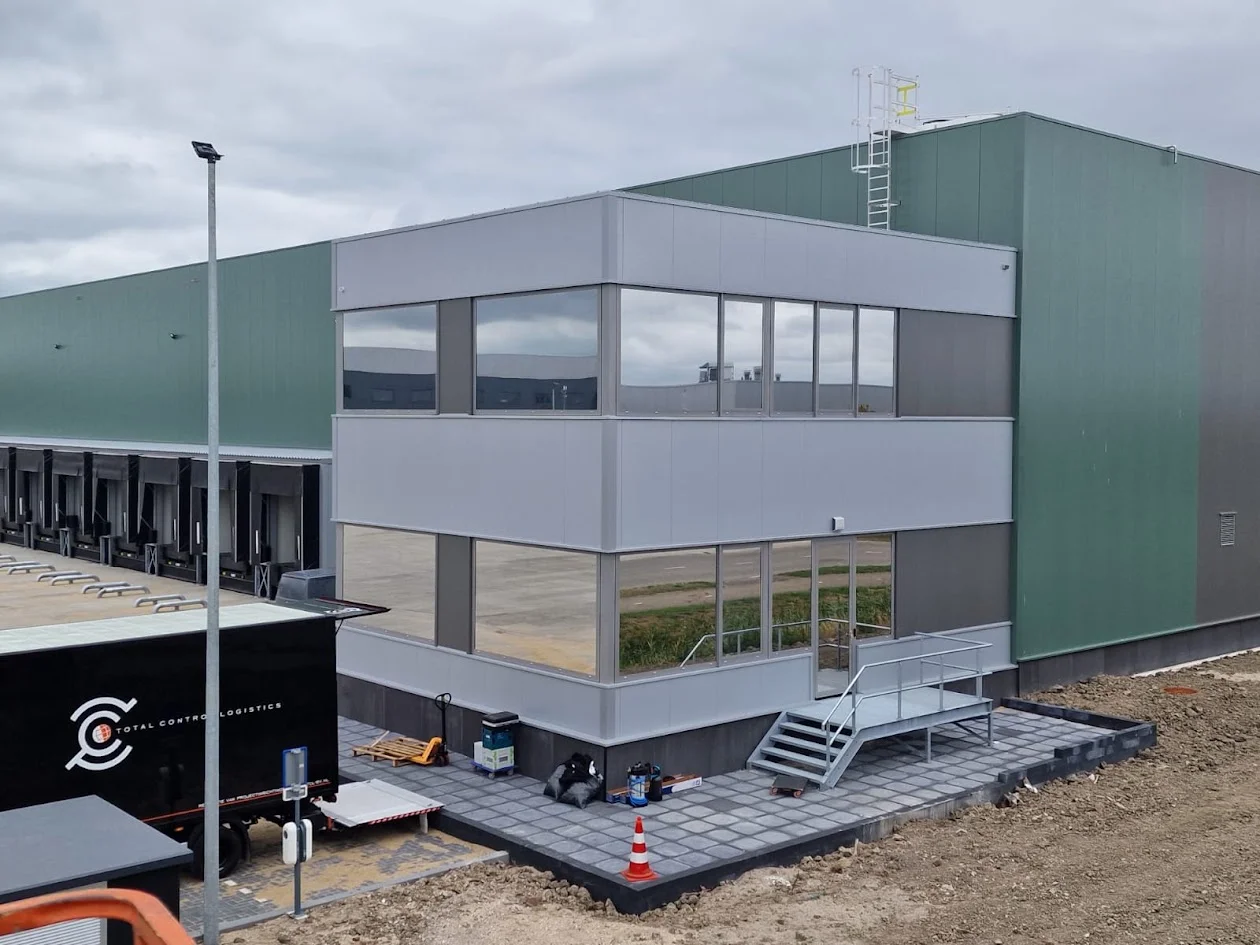
For more comfortable business premises
Solar and heat-control window film.
Less solar heat and uncomfortable light at work. BlinkOut helps your organisation select film for facade glazing, skylights and rooflights, from material advice to installation.
A comfortable workplace starts with the glazing.
A sunny facade can quickly warm up workspaces. Screen glare, an overheated reception area or temperature differences between departments call for a considered approach. Solar and heat-control film reduces solar exposure through suitable glazing and can improve comfort at work.
We consider your office, shop, commercial space or public building as a whole. Which direction does the glass face? How much daylight is needed? What appearance suits the facade? This helps us select a finish around how the building is used.
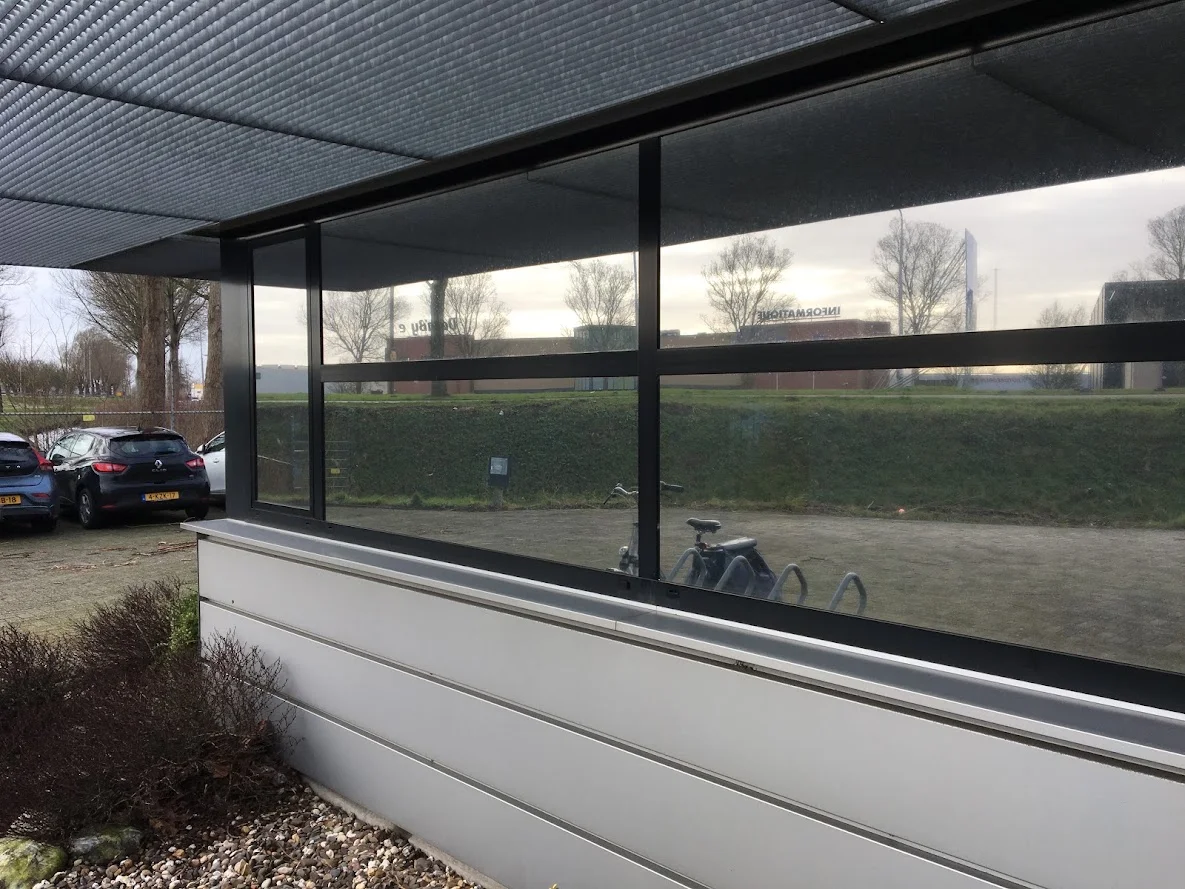
Choose a finish that suits your facade.
From a clear reflective appearance to a restrained grey tint or warm bronze tone. Light transmission, reflection and solar heat rejection vary by product; we compare them for the existing glazing.
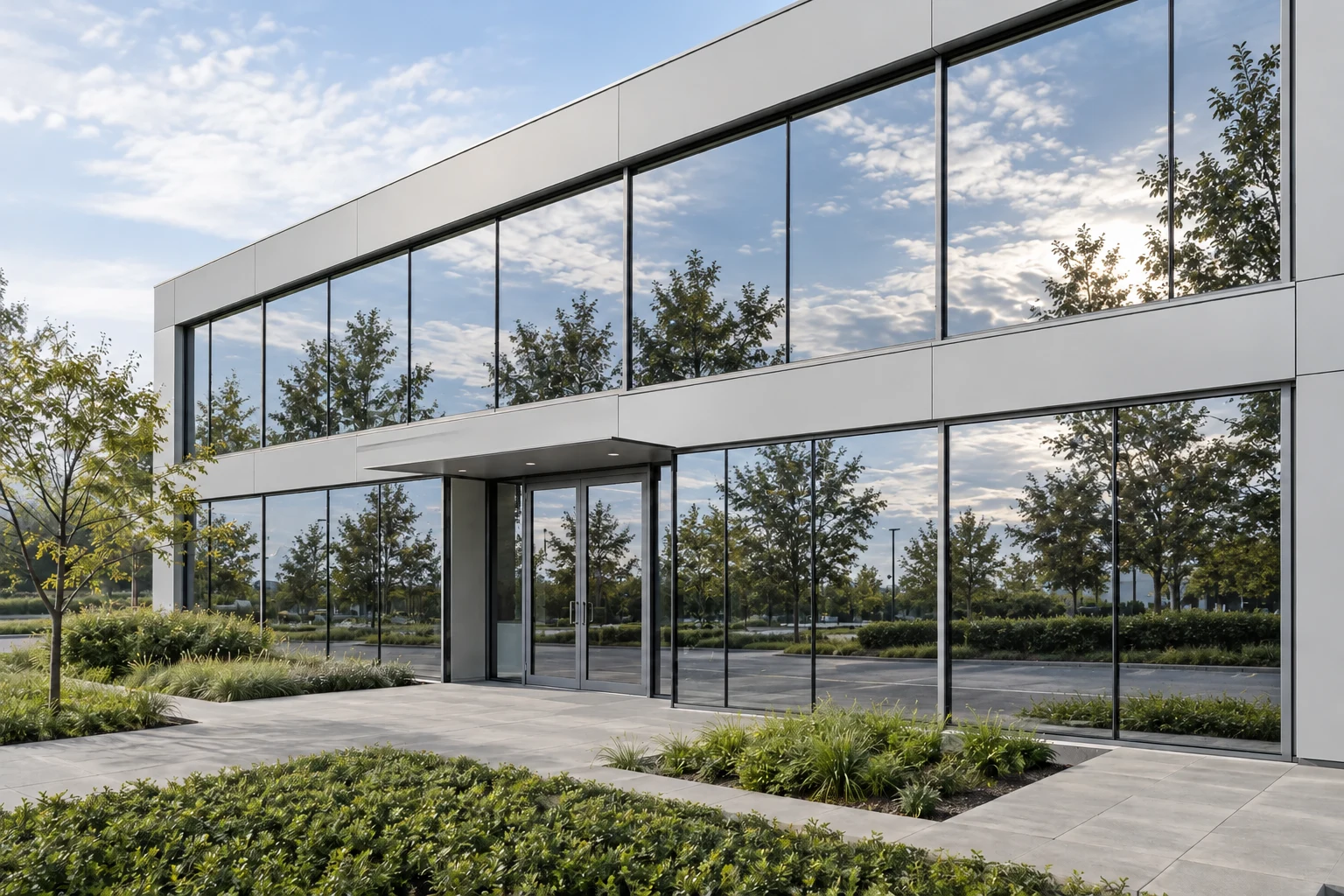
Silver & reflective
A pronounced reflective finish for large glazed areas. Suitable silver film can reduce solar heat and bright light. During daylight, reflection may also reduce views into the building.
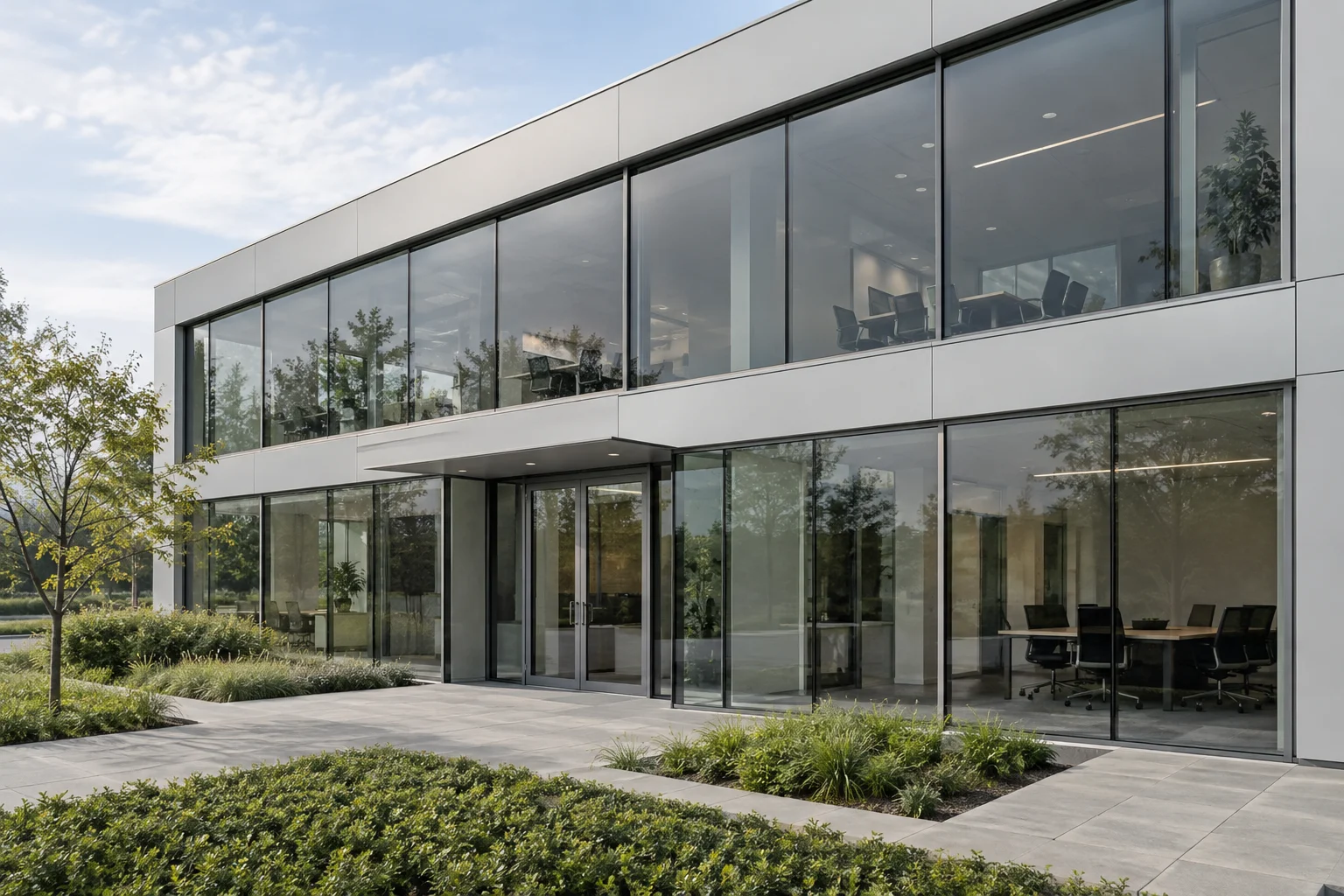
Light neutral tint
A restrained grey tone with attention to daylight and outward views. Useful when you want to reduce solar exposure while retaining the open character of a workspace or reception area.
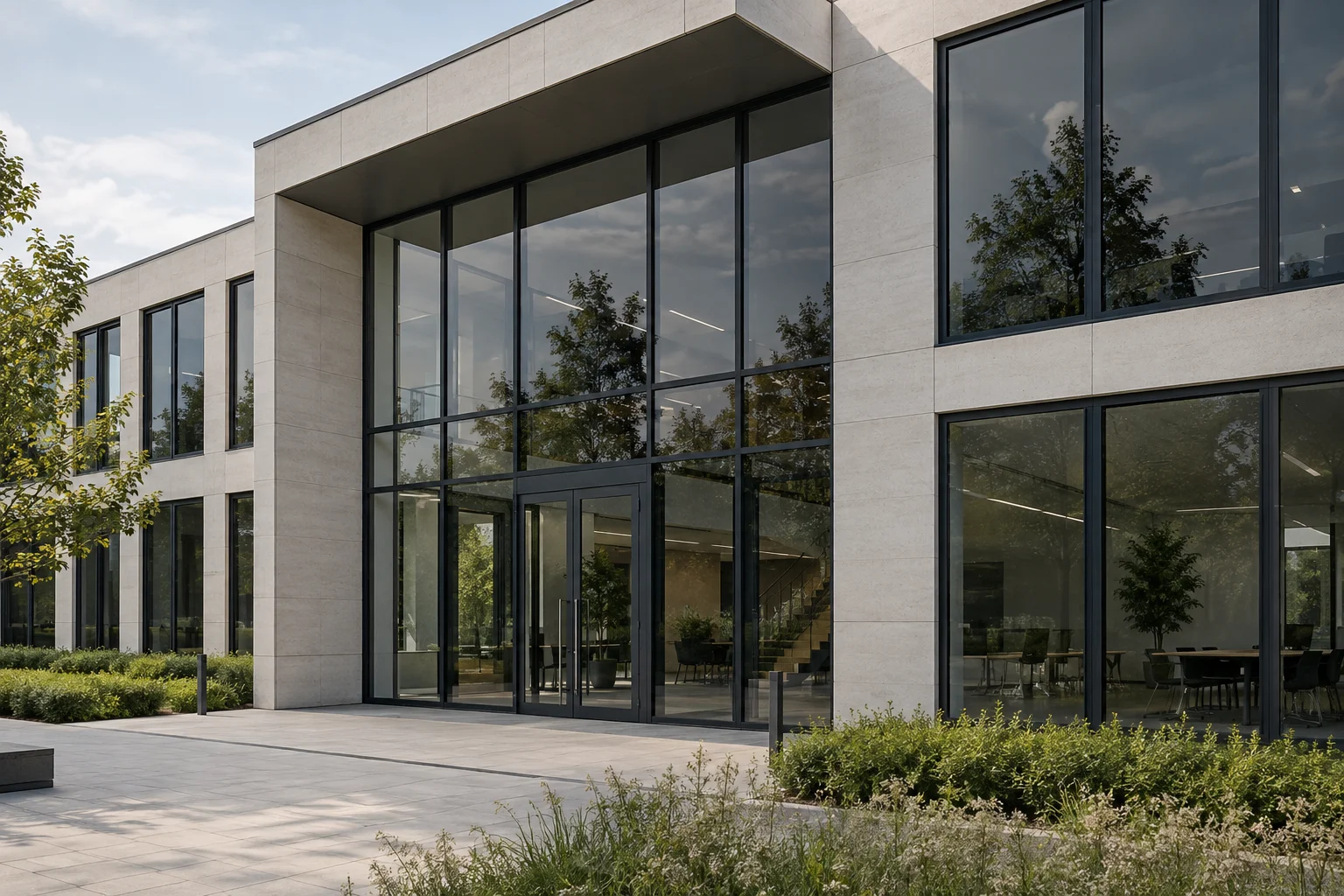
Deeper neutral tint
Greater attenuation of bright visible light for exposed facades. We match screen comfort, daylight and reflection to the workplaces behind the glazing.
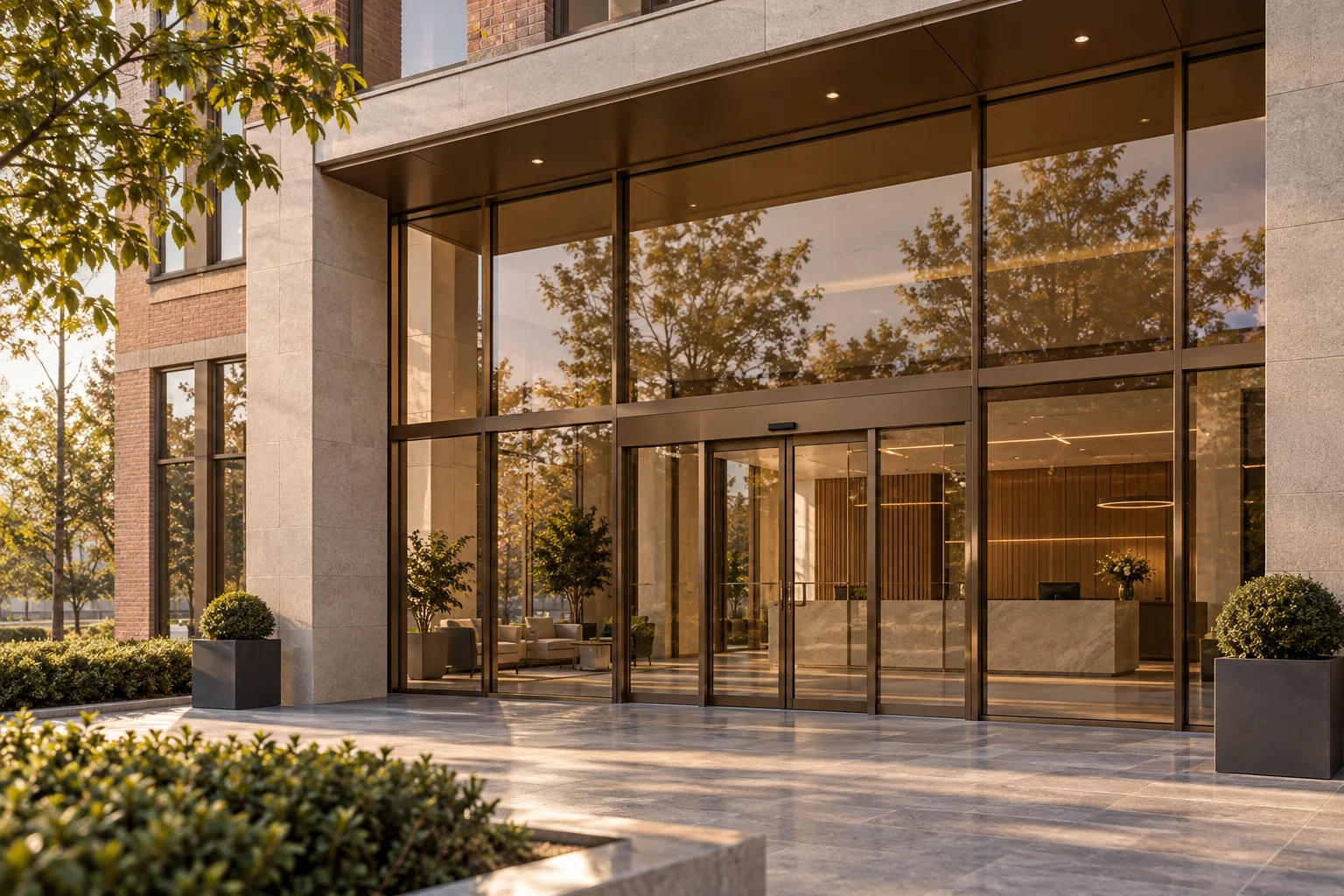
Bronze & warm-toned
A copper-brown tone that gives a facade a warmer appearance. This finish combines a different colour character with solar control and reduced uncomfortable glare.
What would your organisation like to improve?
Comfort at work
Reduce solar exposure around desks, meeting rooms and service counters. Film complements building climate control; its effect depends on the whole space.
Readable screens
Choose how much bright light to soften. Lighter and darker tints each offer a different balance between screen comfort and daylight.
Daylight & appearance
Consider the facade, outward views and use of the space. Reflective privacy remains dependent on the difference between indoor and outdoor lighting.
For daylight from above too
Roof domes, skylights and rooflights.
Production halls, warehouses, staff canteens and atria can receive substantial solar heat through the roof. Suitable roof-glazing film can reduce solar exposure and help balance daylight with the needs of the workplace.
Roof applications require their own assessment. Glass, polycarbonate and acrylic are different substrates. Roof slope, existing coatings, material condition, access and installation side also determine which specification is suitable.
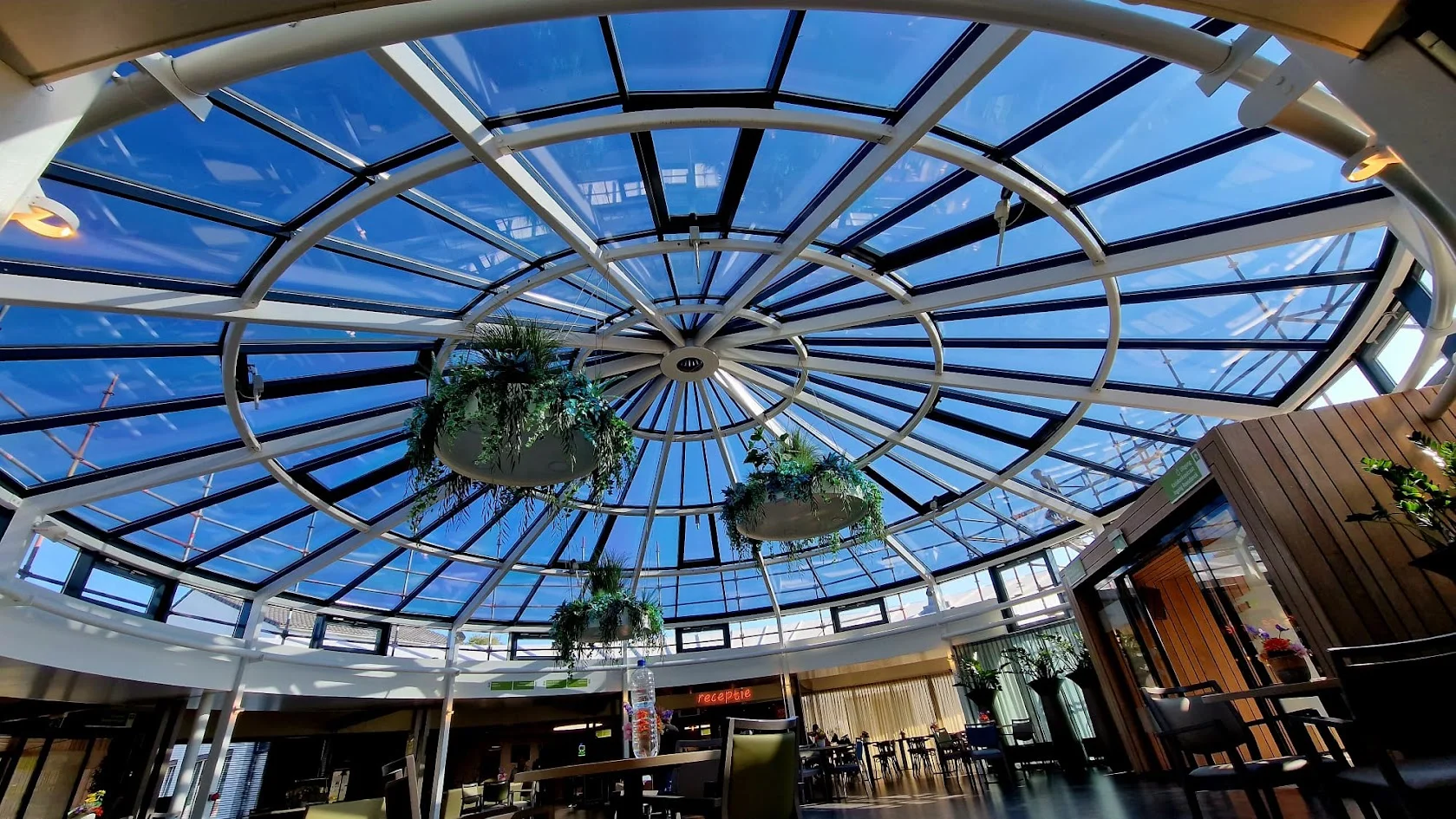
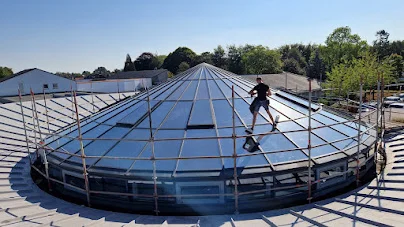
Glazed roof domes
For large domes and atria, we assess the glass construction, solar exposure and desired daylight. Shape and access inform the installation plan.
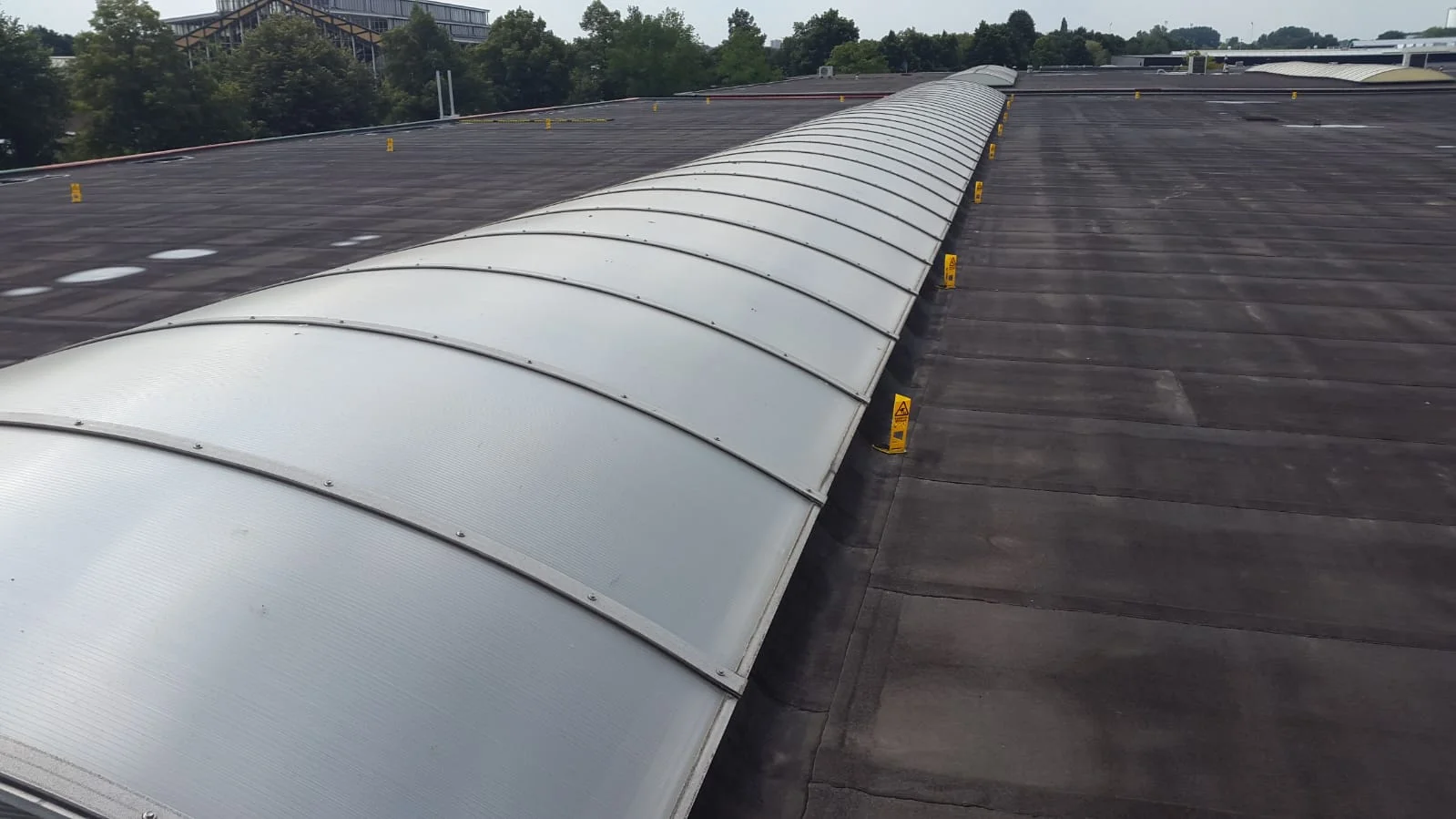
Commercial rooflights
For continuous roof glazing, we consider the substrate and workplaces below. Plastics require a suitable film or approved material combination.
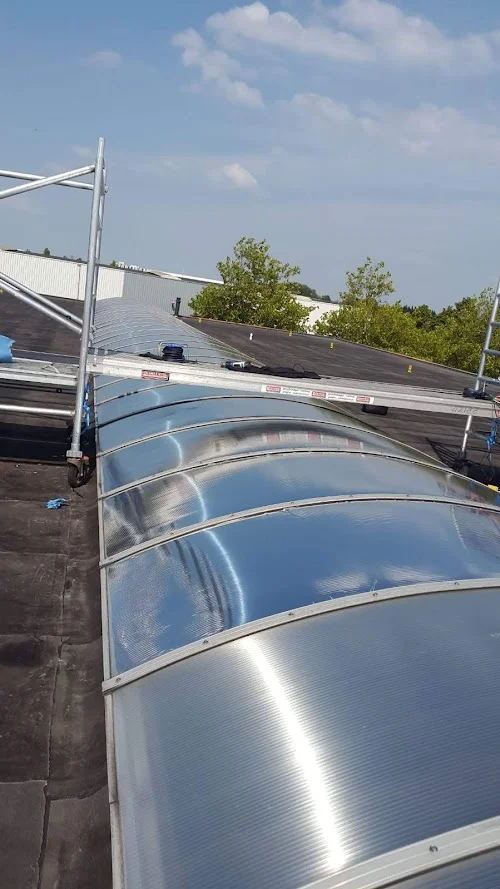
Suitable roof film
Roof film is selected for the particular substrate and exposure. Finishing, edge details and maintenance are coordinated with the chosen specification.
The right film starts with an assessment.
Glazing & substrate
Glass type, insulating glass, existing coatings and pane condition inform the choice. Plastic glazing requires a specific compatibility check.
Orientation & use
Orientation, glass area and the activities behind the window determine the requirements. A screen-based workspace differs from a warehouse or reception hall.
Light, reflection & colour
We discuss tint, light transmission and reflection. The aim is the right balance for the building, rather than simply the darkest finish.
Interior or exterior fitting
The suitable installation side depends on the film and glazing. For rooflights, we also consider safe access, scheduling and weather exposure.
Solar heat control and UV reduction are different properties. UV filtering can help slow fading but does not stop it completely. A fixed temperature drop or energy saving cannot be promised without assessing the building.
From a hot workspace to a focused proposal.
Show us the situation
Send facade or roof photos, approximate dimensions and the locations affected by heat or glare. Include any available glazing or plastic-substrate details.
Coordinate the specification
We compare tint, reflection, daylight and installation side, and identify the product information applicable to your building.
Plan installation
After approval, we coordinate measuring, access, working hours and fitting around the everyday use of the premises.
Where does the sun enter your business?
From an office floor to an extensive rooflight, share the situation and your wishes for heat, daylight and appearance. From Roosendaal, BlinkOut helps coordinate material and installation.
Prefer to call? +31 165 52 62 01Request your proposal
Questions about solar and heat-control film
Are solar-control and heat-reducing film the same?
The terms often describe the same product group. Within that group, heat rejection, daylight, reflection and colour vary. We cover both on one page and select around the properties your premises need.
How many degrees cooler will it be indoors?
There is no single reliable figure. Glass area, orientation, ventilation, cooling and use of the room influence the indoor temperature. We first assess the setting and the technical data for suitable films.
Is a darker tint always better?
A darker finish can reduce more visible light, but it is not automatically the best solution for solar heat. We compare the complete product data and discuss the daylight required by the workplace.
Does reflective privacy work in the evening?
The effect depends on the lighting contrast. When it is dark outdoors and lit indoors, views into the building may return. For permanent screening, we discuss an alternative or complementary solution.
Can film be applied to every skylight or rooflight?
No. The substrate and construction require assessment. Glass, polycarbonate and acrylic each need a suitable specification. We also check coatings, condition, slope and access before recommending installation.
Can installation take place outside working hours?
We coordinate scheduling around the building and chosen specification. Include access times and business operations in your enquiry so we can address them in the proposal.